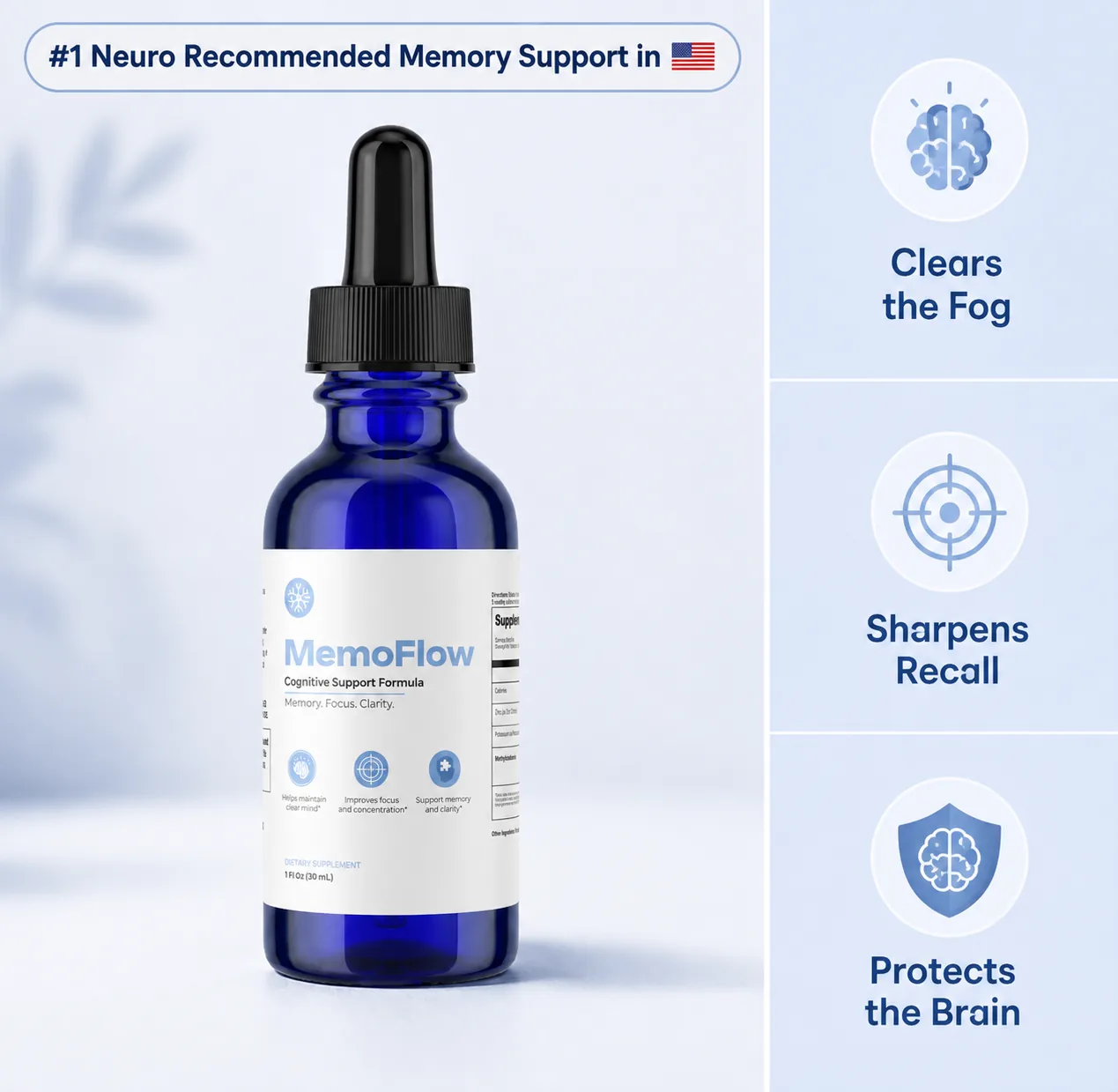
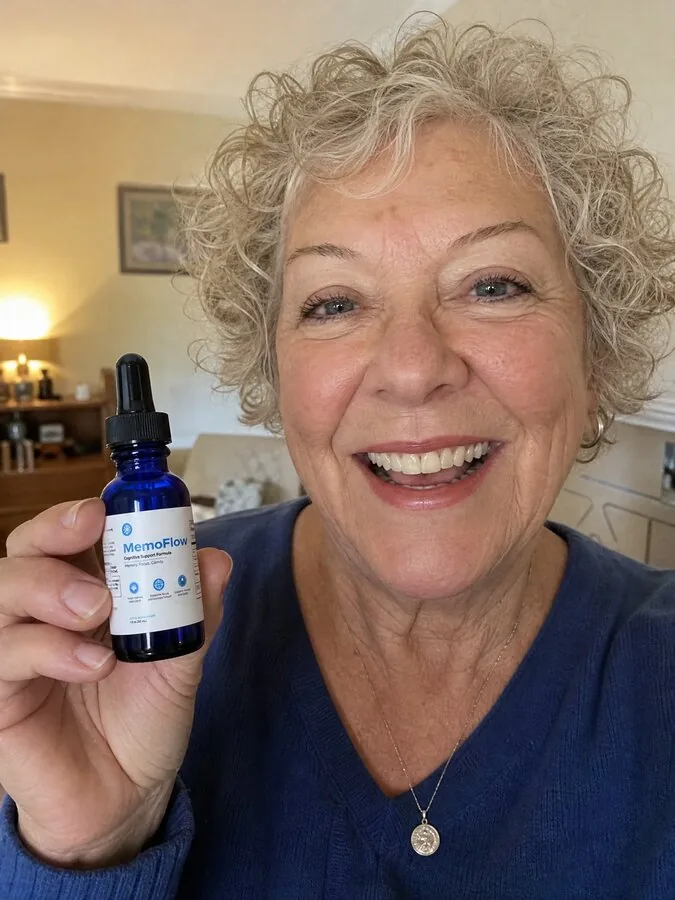
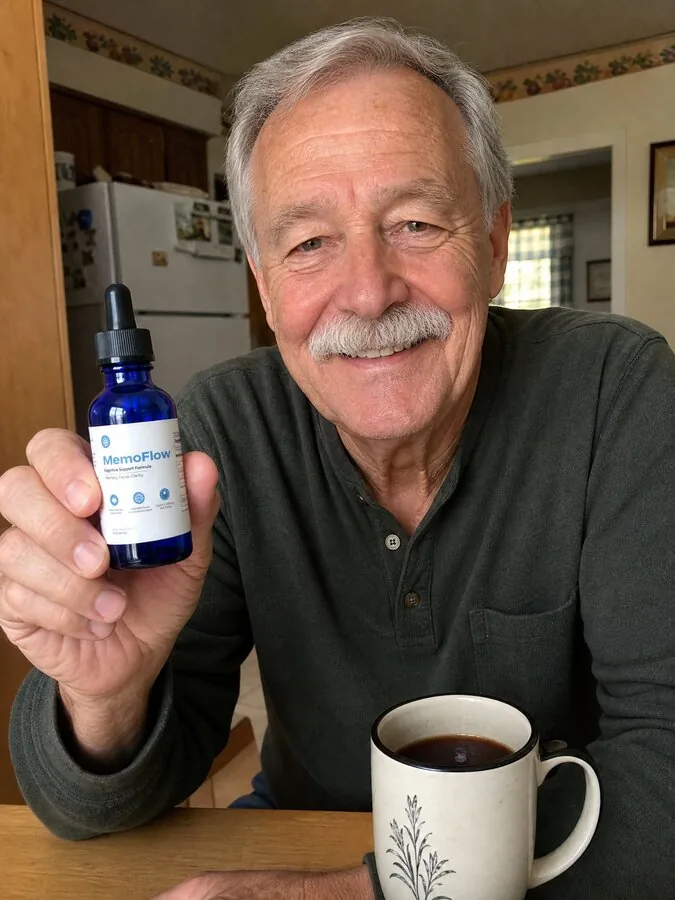
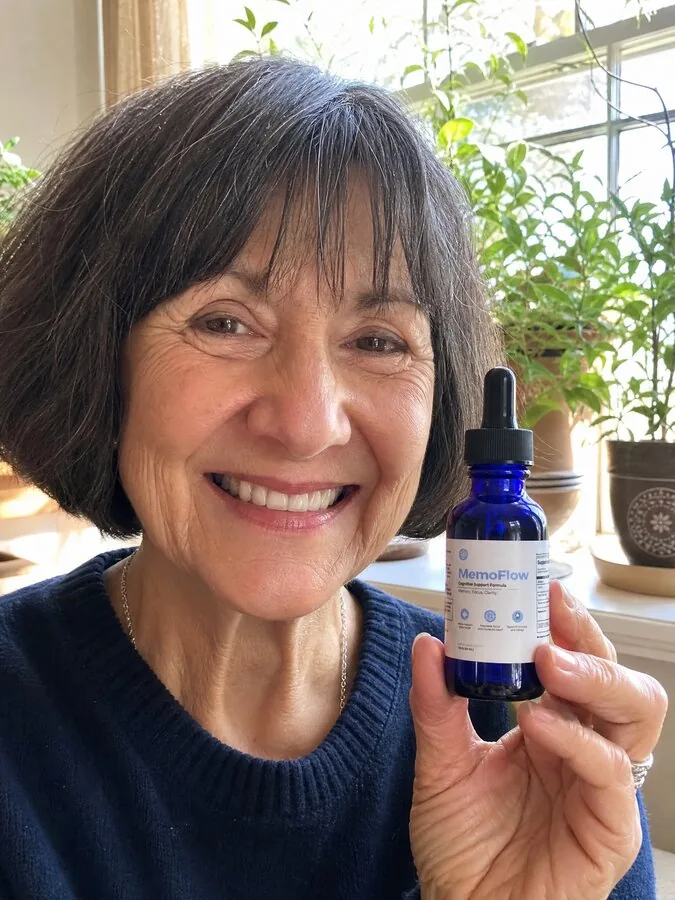
MemoFlow's daily formula combines anthocyanins from Wild Ikaria mountain honey with natural lithium orotate. The background below covers the honey trick for memory, lithium orotate and brain health, cadmium and memory loss, and memory supplements for seniors in more depth than the page above has room for, using the same terms defined the same way throughout so the two pages stay consistent with each other.
More questions about MemoFlow, answered
How is this different from a memory drug like Aricept or Namenda?
MemoFlow isn't a drug and doesn't claim to be one — it's a naturally-sourced daily dropper for cognitive support. Prescription options are managed by your doctor and address different things. If you're on any prescription, keep taking it and talk to your physician; MemoFlow is a supplement meant to support everyday memory and clarity, not to replace medical care.
I already tried a “honey trick” and nothing happened. Why would this be different?
Almost certainly a concentration and format issue. Ordinary honey doesn't carry the anthocyanin concentration this is built around, and honey alone is only half the idea — without the protective half, everyday re-exposure keeps working against you. MemoFlow combines both parts in a precision-dosed sublingual format.
What's in it — and is it safe?
Naturally-sourced actives and nothing else: Ikarian mountain honey extract (anthocyanins) for clearance support, and natural lithium orotate for neuroprotective support, delivered via Neural MicroLock™. No stimulants, no hormones, no drugs, no artificial dyes. Made in the USA in an FDA-registered, GMP-certified facility, batch-tested before it ships. As with any supplement, check with your doctor if you take prescription medication or have a medical condition.
Will it interfere with my medications?
It's naturally-sourced with no stimulants, but always confirm with your doctor or pharmacist before combining any supplement with prescription medication — especially anything for mood or the nervous system.
How do I use it?
Two drops under the tongue each morning, held a few seconds, then swallowed. No food required, no rinsing. Consistency is what drives results.
When will I see results?
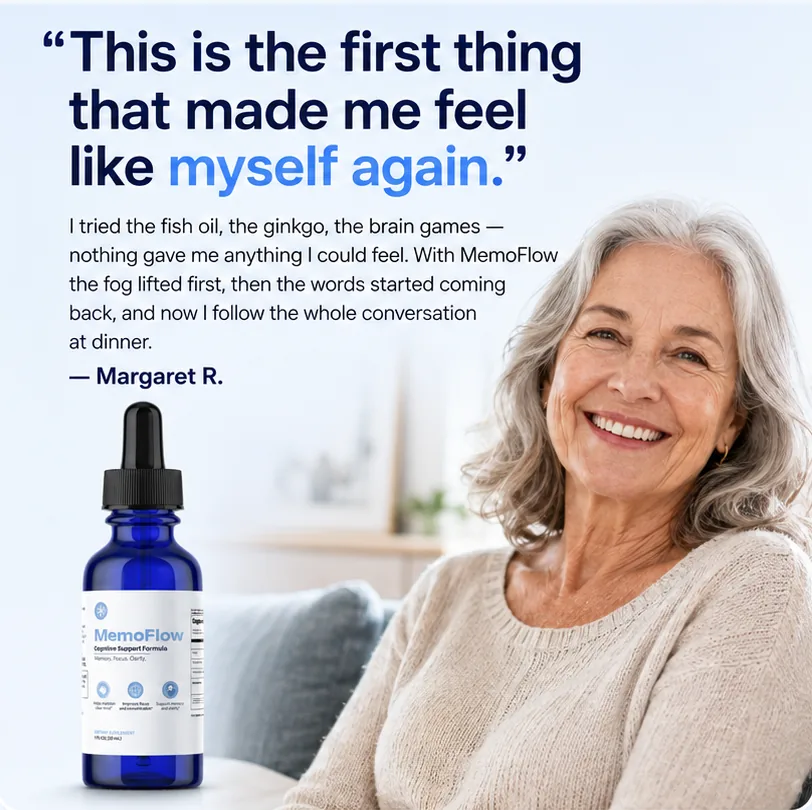
Most people notice lighter, clearer mornings in the first 1-2 weeks, with word-finding and recall building through week 4 and beyond. It's gradual by design — which is exactly why the guarantee runs 90 days.
What if I miss a day?
Get back to it the next morning. What costs people results isn't a missed day — it's stopping in week three, right before the shift becomes obvious.
How many bottles should I order?
Enough to give it a full run. The 6-bottle package exists so you don't stall out mid-way — that's the most common reason people don't see a result.
Why isn't it on Amazon or another store?
A naturally-sourced formula like this degrades with the wrong handling, and counterfeits are common in this category. Selling direct is the only way we can guarantee what reaches you is the real, correctly-stored formula.
What if it doesn't work for me?
Then it costs you nothing. You're covered by the full 90-day money-back guarantee — one email and you're refunded, no return required. The risk sits with us.
Key terms, defined
- Anthocyanins: natural plant pigments concentrated in certain wild honeys, studied for their ability to bind heavy metals such as cadmium.
- Lithium orotate: a mineral compound distinct from prescription lithium carbonate, used in microgram-level amounts in some cognitive-support formulas.
- Insulin receptor: a protein on a cell's surface, including neurons, that lets insulin signal the cell to absorb glucose for fuel.
- Sublingual delivery: placing a liquid under the tongue so it can be absorbed through the tissue there rather than only through digestion.
The honey trick for memory: what it is and what it leaves out
The honey trick for memory is a viral idea built around wild honey rich in anthocyanins, natural compounds studied for their ability to bind cadmium that has built up around brain cell receptors over time. On its own, honey addresses only half of the underlying idea: removing existing buildup. It does nothing to prevent new cadmium, absorbed daily through ordinary food, water, and air, from starting the same buildup again the next day. That is the gap MemoFlow's second ingredient, lithium orotate, is formulated to help close, which is also why people who tried plain honey and felt nothing are not necessarily wrong about the underlying idea — they were likely missing the second half of the protocol and using a honey with an inconsistent, often very low, anthocyanin concentration.
Lithium orotate and brain health: how it differs from prescription lithium
Lithium orotate brain health formulas are frequently confused with prescription lithium carbonate, a controlled psychiatric medication dosed far higher and used to manage conditions such as bipolar disorder. The lithium orotate used in dietary supplements like MemoFlow is measured in micrograms, a small fraction of a psychiatric dose, and is not marketed or regulated as a treatment for any mental health condition. Its proposed role in a cognitive-support formula relates to supporting receptor function at the cellular level rather than the mood-stabilizing mechanism associated with the prescription form. Anyone currently prescribed lithium carbonate, or any other psychiatric medication, should talk to their prescribing physician before adding any lithium-containing supplement.
Cadmium and memory loss: a slow, cumulative exposure
Cadmium and memory loss have been linked in toxicology research examining how trace heavy metals accumulate in the body over years of ordinary, low-level exposure through diet, air, and in some regions, drinking water. Because this buildup happens gradually, its effects are easy to mistake for typical age-related decline instead of a distinct, potentially addressable contributing factor. The proposed connection to memory centers on receptor-level interference rather than direct tissue damage: insulin receptors rely on a precise structure to let glucose into neurons, and researchers have examined whether cadmium buildup can distort that structure enough to reduce how efficiently fuel reaches brain cells, even when blood glucose itself is normal.
Memory supplements for seniors: how to evaluate one before buying
Memory supplements for seniors range from single-ingredient antioxidant blends to multi-mechanism formulas, and the difference matters. A useful way to evaluate any memory supplement for seniors is to check whether it discloses the exact form and source of its active ingredients (a named honey source rather than "wild honey," a named mineral form rather than a vague "brain mineral blend"), whether it is manufactured in a GMP-certified U.S. facility, and whether it is backed by a guarantee long enough to judge results fairly — MemoFlow's is 90 days, matching the gradual timeline described in customer feedback. None of this replaces a conversation with a doctor, especially for anyone managing a diagnosed memory condition or taking prescription medication.
When to see a doctor about memory changes
Occasional forgetfulness is common at any age. It is worth discussing with a doctor when memory lapses are new, worsening over weeks or months, interfering with daily tasks such as managing medication or finances, or paired with confusion about time or place. A physician can check for reversible causes — medication side effects, thyroid issues, vitamin deficiencies, sleep problems — before considering any other diagnosis. MemoFlow is a dietary supplement and is not intended to diagnose, treat, cure, or prevent any disease, including Alzheimer's disease or other forms of dementia.
How a two-part formula differs from single-ingredient memory supplements
Most memory supplements for seniors on store shelves are built around a single mechanism — an antioxidant, a stimulant for alertness, or a vitamin thought to support nerve function. MemoFlow's formulation logic is different because it pairs two ingredients meant to address two separate steps: first, helping clear cadmium that has already built up around insulin receptors, and second, helping protect those receptors from the cadmium a person is exposed to again the next day through ordinary food, water, and air. A single-ingredient product that only addresses one of those two steps may explain why some people report trying "the honey trick for memory" on its own, using plain grocery-store honey, and noticing no meaningful change — a common report referenced in the FAQ above.
This two-step framing does not mean a two-ingredient formula is automatically more effective than any single-ingredient alternative; it means the two ingredients are chosen to work on different parts of the same proposed mechanism rather than duplicating each other. Anyone comparing MemoFlow to another memory supplement for seniors should look at what mechanism each ingredient is meant to address, not just how many ingredients are listed on the label.
Understanding MemoFlow's 90-day guarantee timeline
MemoFlow's guarantee window is set at 90 days rather than a shorter period because the formula is designed around a gradual, cumulative process rather than an immediate effect. Clearing existing cadmium buildup and then protecting receptors from new exposure is described as a multi-week process, and customer feedback featured on this page generally describes lighter mornings within the first one to two weeks, with word-finding and recall continuing to build through the fourth week and beyond. A 90-day window gives enough time to judge the full effect of consistent daily use rather than a single bottle's first few days, and the guarantee applies whether or not the bottle has been finished, per the terms provided at checkout.
Sublingual drops versus capsules: why delivery format matters
MemoFlow is formulated as a sublingual liquid rather than a capsule because ingredients absorbed under the tongue can enter the bloodstream without first passing through the full digestive process, which can break down or dilute certain compounds before they are absorbed. A capsule has to survive stomach acid and digestion before its contents can be absorbed in the intestines, a process that can reduce how much of a given ingredient ultimately reaches circulation. This is one reason the article referenced on this page describes the original protocol as designed for drops rather than a pill: the two active ingredients are intended to remain in a form the body can use quickly rather than trapped inside a capsule shell.
Manufacturing, quality control, and who should be cautious
MemoFlow is manufactured in the United States in a facility that is FDA-registered and follows Good Manufacturing Practice (GMP) guidelines for dietary supplements, with batch testing before bottles ship. GMP certification means the facility follows a documented set of controls for ingredient sourcing, sanitation, and record-keeping, though it does not mean the finished product itself has been evaluated or approved by the FDA — no dietary supplement receives FDA approval the way a prescription drug does. People who are pregnant or nursing, anyone under 18, and anyone with a diagnosed liver, kidney, or thyroid condition should speak with a doctor before adding any new supplement, including MemoFlow, since individual health circumstances can change how any ingredient, natural or not, is processed by the body. The same applies to anyone currently taking a mood-stabilizing medication, given the (unrelated) mineral name overlap between lithium orotate and prescription lithium carbonate discussed earlier on this page.
Why MemoFlow is sold direct instead of through third-party retailers
Selling directly rather than through a marketplace like Amazon is a common practice for naturally-sourced formulas that are sensitive to storage conditions, since heat, light, and long warehouse dwell times can degrade certain plant-based compounds, including the anthocyanins central to the honey trick for memory. Selling direct also reduces the risk of counterfeit or diluted versions reaching customers, a known issue in supplement categories that see a sudden spike in popularity. Anyone who finds a version of this formula on a third-party marketplace should treat it with caution, since it cannot be verified as coming from the same batch-tested supply chain described above.
A quick summary before you decide
In short: the honey trick for memory is a real, researched idea, but it depends heavily on which honey is used, how it is concentrated, and whether it is paired with a protective second ingredient like lithium orotate. MemoFlow's sublingual formula was built around that two-step logic — clear existing cadmium buildup, then protect against new exposure — manufactured in a GMP-certified U.S. facility and backed by a 90-day guarantee long enough to judge gradual, cumulative results rather than an overnight change.