
Words back · week 3
I stopped hunting for words mid-sentence. They’re just there again.
Eleanor P., 68 Verified
87% of customers report:
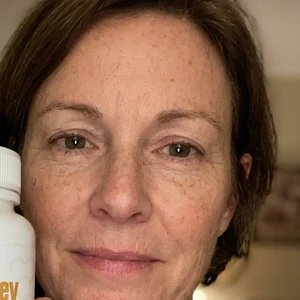
I feel like my brain is back online. Remembering things, staying focused, it’s made such a difference.
— Linda M., 62 · Clearer thinking
Supports Sharp Memory
Supports Daily Focus
Three-Step Formula
Precision-Dosed
Drug-Free & Hormone-Free
Specialist Formulated
60-Day Money-Back Guarantee · Free Shipping
CogniHoney® pairs polyphenols from wild Ikarian mountain honey — a naturally-studied plant compound — with natural Lithium Orotate from Ikarian springs and a water-soluble Cinnamon extract from the correct, coumarin-free species, in one lightweight daily capsule.
The idea behind CogniHoney is simple: your brain runs on fuel, and everyday environmental exposure — traces of heavy metals in water, food and air — is thought to interfere with how well your neurons take that fuel in. The anthocyanins in Ikarian honey are included to help support your body’s natural clearance pathways, while natural lithium orotate is included for ongoing neuroprotective support. Together they’re built to support a brain that takes in fuel the way it’s meant to.
Three naturally-sourced actives, each doing a different job — clean, guard, open — delivered in forms that actually reach the brain, not ground spice stirred into warm water.
No stimulants, no hormones, no drugs. Just a 10-second morning ritual.
CogniHoney® was made for you.
Most “solutions” work on the surface: they try to exercise a brain that isn’t getting enough fuel to begin with. CogniHoney is built around a different idea — support the connection that lets the fuel in.
The honey polyphenols help support your body’s natural clearance of everyday heavy metals; the natural lithium orotate is there for continued protection; the water-soluble cinnamon is there to help the connection carry current again. So you don’t just push harder against the fog — you support the conditions that let your mind feel clear again.
One capsule, supporting your brain’s fuel system every single morning.
Take 1 capsule every morning with water, before any food. That’s the entire routine — about 10 seconds. No measuring, no powders, no stirring. Consistent daily use leads to the best results.
The first week usually feels like nothing has changed. Most people notice lighter, clearer mornings around week 2, with sharper recall and easier word-finding building through weeks 3 and 4.
Yes. Every CogniHoney® order is backed by our 60-day money-back guarantee.
Because supporting your brain’s fuel system is a gradual process, you get real time to give CogniHoney a genuine chance to work.
If you’re not satisfied for any reason, simply email us within 60 days. No questions asked. Even empty bottles.
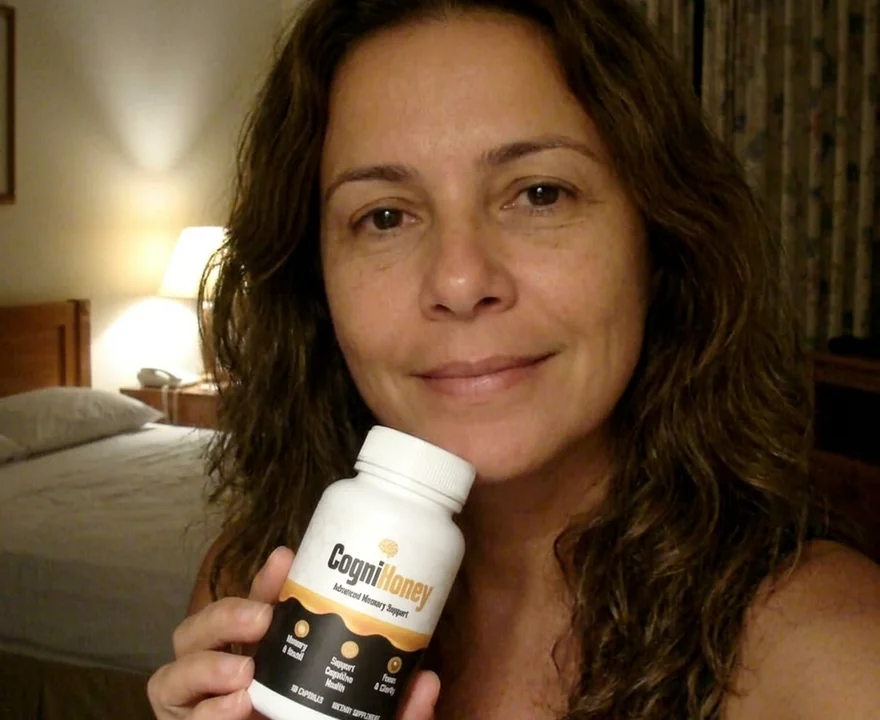
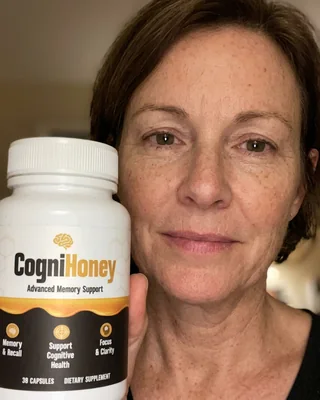
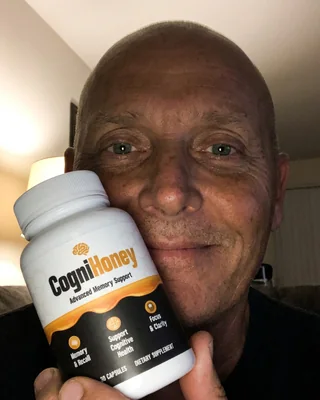
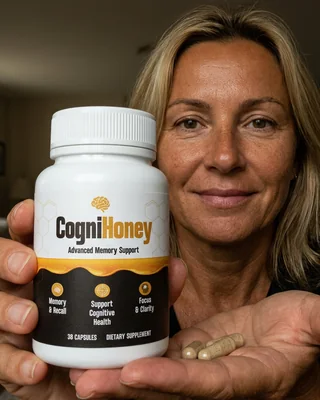
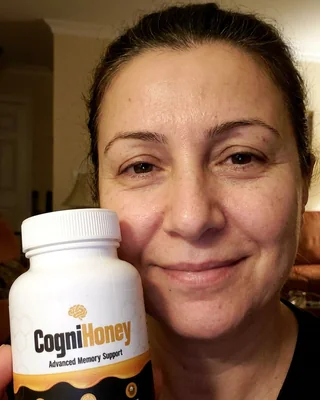
No actors. No scripts. Just ordinary mornings, at home.
I stopped hunting for words mid-sentence. They’re just there again.

I wake up clear instead of foggy. Ten seconds a day is all it takes.

I follow every conversation at dinner now without drifting off.

I tell long stories again, detail for detail. My wife noticed first.
Individual results may vary. Results achieved with consistent daily use.
As Seen On




felt sharper within the first 4 weeks
reported clearer, lighter mornings by week 8
said word-finding got easier by month 3
would recommend CogniHoney® to a friend
Self-reported customer feedback inspired by CogniHoney® product materials. Individual results may vary.
The Root of It
Your brain runs on glucose — its only fuel. But glucose doesn’t walk into a brain cell on its own. Every cell has a connection point, and insulin is what works it. Everyday environmental exposure to trace heavy metals (in tap water, rice, and the air near industry) is thought to interfere with that connection point over time. When the fuel is sitting right there and can’t get in, the small things go first: names, words, your train of thought.
Most “memory fixes” push the brain harder.
CogniHoney is built to support the connection that lets the fuel in.
Your brain depends on a steady flow of fuel and a clean connection to think clearly. Everyday exposure to trace heavy metals can interfere with how efficiently that fuel gets in. CogniHoney® is built to support the point where fuel meets the neuron.

Trace heavy metals from tap water, rice, air, and the environment build up over decades — with no way for the body to clear them out.

Metal buildup interferes with the insulin connection point on the brain cell.
CogniHoney® supports here
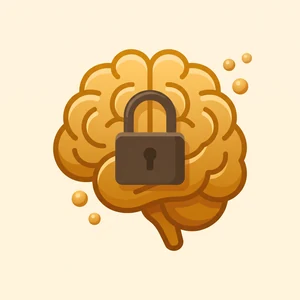
Glucose sits in the blood one inch away, unable to get in efficiently — leaving neurons under-fueled.

With support, fuel gets where it’s needed — helping support memory, focus, and clarity.
CogniHoney® is built to support the point where fuel meets the neuron — helping support clearance, protection, and healthy uptake.
What It Does
Less fog. More clarity.

Helps support the lift of everyday mental fog, so mornings feel lighter and more present.

Supports the building blocks behind reliable, everyday memory — names, words, and where you left things.

Supports staying on your train of thought through conversations and stories.

Antioxidant support helps protect neurons from everyday oxidative stress.

Built for the cognitive shifts that come with healthy aging.

Just one capsule a day. Hormone-free, drug-free, nothing to measure or mix.
Naturally-sourced actives that support clearance, protection, and healthy brain fuel — delivered in forms that reach the brain.

Support for clearing the way
Wild honey harvested in a single mountain region of Ikaria, Greece, during a narrow annual window — concentrated for its anthocyanins.
Support for Clearing the Way

Support that stays on guard
Natural lithium orotate from Ikarian springs — the naturally-sourced form, distinct from high-dose industrial/psychiatric lithium.
Support That Stays on Guard

Support that opens the way
From the coumarin-free species, in a water-soluble extract — not ground spice, which loses potency from the day it’s milled and barely dissolves.
Support That Opens the Way
Less fog
(self-reported avg.) 87% in 4 weeksClearer recall
(self-reported avg.) 93% by month 3
60-Day Money-Back Guarantee
| CogniHoney® | Generic Memory Pills | |
|---|---|---|
| Format | Forms that cross into the brain — standardized, water-soluble | Capsule the body has to break down |
| Action | Three-step action (clean + guard + open) | Single-ingredient, surface-level |
| Extras | Drug-free, hormone-free, stimulant-free | Often stimulant-based |
| Risk | 60-day money-back guarantee | Frequently no guarantee |
Format
Forms that cross into the brain — standardized, water-soluble
Capsule the body has to break down
Action
Three-step action (clean + guard + open)
Single-ingredient, surface-level
Extras
Drug-free, hormone-free, stimulant-free
Often stimulant-based
Risk
60-day money-back guarantee
Frequently no guarantee
No Stimulants · No Hormones · No Drugs · No Artificial Dyes · No Harsh Chemicals
What to Expect
Here’s what most people feel — so you know it’s working.
“This is the first thing that made me feel like myself again.”
I tried the fish oil, the ginkgo, the brain games — nothing gave me anything I could feel. With CogniHoney the fog lifted first, then the words started coming back, and now I follow the whole conversation at dinner.
Try CogniHoney® Now Risk-Free with our First-Time Buyer’s Offer!
Act Now and You’ll Get:
TODAY ONLY: UP TO 70% OFF


All transactions are secure and encrypted
Note: Not available on Amazon or eBay

Our 60-Day Promise
Try it for 60 days. If it’s not working, send it back — even empty — for a full refund.
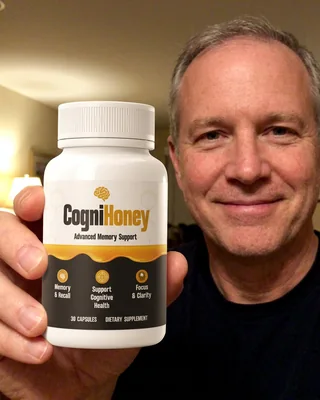
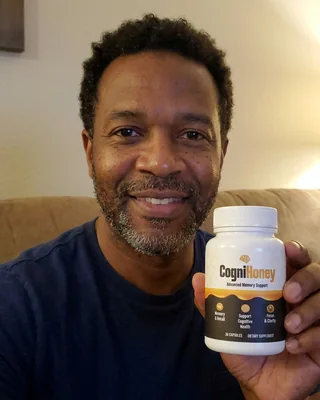
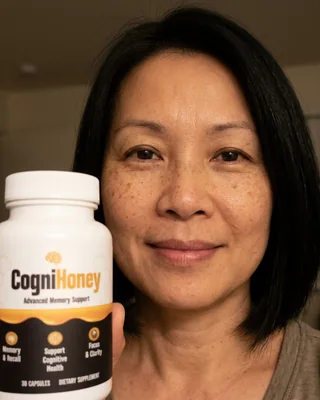
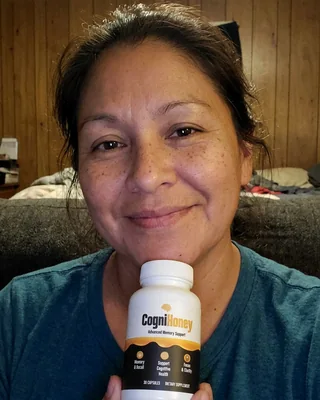
Based on 193 Reviews
Reviews 193
Sorted by: Highest Rating
Diane K.Verified Buyer
United States
09/07/2026
I used to stall mid-sentence hunting for a name. Three weeks of one capsule every morning and the words just show up again. I didn’t realize how much I’d been compensating until I stopped needing to.
Robert H.Verified Buyer
United States
09/09/2026
The first thing I noticed was waking up without that heavy fog. One capsule with water before I eat, that’s it, and my mornings feel sharp instead of slow.
AnnetteVerified by Shop
United States
08/19/2026
I bought the 3-bottle pack to give it a real chance. Around week five I caught myself telling a long story at dinner, detail for detail, without losing the thread once. My husband noticed before I did.
GeraldVerified by Shop
United States
08/14/2026
Nothing to weigh, nothing to stir. One capsule and done. I walk into a room and actually remember why I went in.
Occasional word-finding trouble, walking into a room and forgetting why, or losing a train of thought mid-sentence are common experiences reported by adults over 40, and they become more frequent with each decade. Neuroscientists generally attribute this to a combination of factors: reduced blood flow efficiency to the hippocampus and prefrontal cortex, a gradual decline in the density of synaptic connections used for rapid recall, increased oxidative stress on neurons over a lifetime, and lower baseline levels of certain neurotransmitters involved in attention and consolidation. None of this means memory loss is inevitable or that nothing can be done — it means that the brain, like any other organ, responds to how it is cared for and what raw materials it is given to work with.
Sleep quality, cardiovascular health, chronic stress, and micronutrient status are the four variables most consistently linked to day-to-day cognitive performance in adults without a diagnosed neurological condition. Of those four, micronutrient and dietary-compound status is the one most directly addressed by a daily supplement, which is why so much research attention has gone into natural compounds that may support the brain's own maintenance processes rather than acting like a stimulant or a prescription drug.
Honey and cinnamon have been paired in folk remedies across the Mediterranean, Middle East, and South Asia for generations, generally framed as a tonic for energy and digestion rather than memory specifically. The modern interest in this combination for cognitive support traces back to two separate threads of research: studies on raw honey's polyphenol content (compounds like chrysin, pinocembrin, and various flavonoids that have antioxidant properties in laboratory settings), and a smaller body of research into cinnamon extract's effect on insulin signaling in the brain, since impaired glucose metabolism in neurons has been proposed as one contributor to age-related cognitive decline.
It's worth being precise about what the current evidence does and doesn't show. Laboratory and animal studies on honey polyphenols and on cinnamon's cinnamaldehyde/proanthocyanidin content have suggested antioxidant and anti-inflammatory activity relevant to neuron health. Human clinical trial data specifically on cognitive outcomes is much more limited than the popular-science coverage of this topic implies, and no honey-and-cinnamon combination is approved to treat, cure, or prevent any diagnosed cognitive disorder. Responsible coverage of this space distinguishes between "a compound with a biologically plausible mechanism worth further study" and "a proven treatment" — the honey-and-cinnamon story sits in the first category, which is exactly why any product built around it should be evaluated as a wellness-oriented supplement, not a medical intervention.
Not all cinnamon is the same plant. "Cassia" cinnamon (Cinnamomum cassia), the type most commonly sold in supermarkets, contains meaningfully higher levels of a compound called coumarin, which in large or sustained doses has been flagged by European food-safety authorities for potential liver effects. "Ceylon" or "true" cinnamon (Cinnamomum verum), sometimes called water-soluble or coumarin-free cinnamon extract in supplement labeling, contains only trace coumarin by comparison. This distinction matters for anyone considering a daily long-term cinnamon supplement, since the safety profile of occasional culinary cassia cinnamon does not automatically apply to a concentrated daily extract. Reputable supplement manufacturers specify which species and extraction method they use for exactly this reason, and it's a reasonable question to ask of any product in this category.
Lithium is best known to most people as a prescription mood-stabilizing medication (lithium carbonate) used at much higher, tightly monitored doses for bipolar disorder. That is a different substance and a different use case from lithium orotate, a trace-mineral form used in low-dose nutritional contexts. Lithium occurs naturally in trace amounts in soil, water, and some foods, and a body of preliminary research — largely epidemiological and animal studies — has explored whether trace lithium intake correlates with markers of neuroprotection, including support for neuronal membrane health and reduced markers of oxidative stress in aging brain tissue. As with the honey and cinnamon research, this is an active but early area of study, and trace-dose lithium orotate supplements are not equivalent to, and do not replace, prescription lithium therapy or any other psychiatric medication. Anyone currently prescribed lithium or any other medication for a mood or neurological condition should not adjust their treatment based on an over-the-counter supplement, and should talk to their prescribing physician before adding any new supplement.
"Brain fog" isn't a formal medical diagnosis; it's a descriptive, commonly used term for a cluster of subjective experiences: slowed thinking, difficulty concentrating, a sense of mental fatigue, and trouble retrieving words or names that feel "on the tip of the tongue." It's reported in contexts ranging from ordinary aging and poor sleep to post-viral recovery, certain medications, hormonal changes, and chronic stress. Because it's a symptom cluster rather than a single condition, there is no single fix that works identically for everyone, and persistent or worsening brain fog, especially alongside other symptoms, is worth discussing with a doctor to rule out treatable causes such as thyroid dysfunction, sleep apnea, medication side effects, or nutrient deficiencies (notably B12, vitamin D, and iron).
Independent of any product, the research on modifiable lifestyle factors and cognitive aging is fairly consistent: regular aerobic exercise (even brisk walking) is associated with better hippocampal volume over time; consistent sleep of 7–9 hours supports the glymphatic clearance process the brain uses overnight; the Mediterranean and MIND dietary patterns (rich in leafy greens, berries, nuts, and olive oil) are associated with slower cognitive decline in observational studies; and ongoing social engagement and novel learning (a new skill, language, or instrument) are linked to what researchers call "cognitive reserve." A daily supplement is reasonably understood as one input among several, not a replacement for these foundational habits.
It's a common and fair question: how does a supplement like this relate to prescription options such as donepezil (Aricept) or memantine (Namenda)? These are prescription drugs specifically approved to manage symptoms of diagnosed Alzheimer's disease and certain other dementias, working through distinct pharmacological mechanisms (cholinesterase inhibition and NMDA receptor regulation, respectively) and requiring a physician's diagnosis and ongoing supervision. Dietary supplements marketed for general memory support are regulated differently in the United States: under the Dietary Supplement Health and Education Act (DSHEA), they are not permitted to claim they treat, cure, or prevent any disease, including Alzheimer's disease or any other diagnosed cognitive disorder, and they do not go through the same clinical-trial approval process as prescription drugs. Anyone experiencing significant memory changes, confusion, or a change noticed by family members should see a physician for proper evaluation rather than relying on any over-the-counter product.
For anyone comparing memory-support supplements generally, a few label details are worth checking regardless of brand: whether the manufacturing facility is FDA-registered and follows Good Manufacturing Practice (GMP) standards, whether doses of key ingredients are disclosed individually rather than hidden in a proprietary blend, whether third-party batch testing is mentioned, and whether the marketing claims stay within the "supports" and "may help" language required by law rather than promising a cure. These are reasonable due-diligence questions for any supplement category, not just this one.
Do natural memory supplements work as well as prescription drugs? They serve a different purpose. Supplements are intended for general wellness support in people without a diagnosed condition; prescription drugs are approved specifically to manage symptoms of diagnosed disease under medical supervision. They are not interchangeable.
Is it normal for memory to change with age? Some slowing in processing speed and occasional word-finding difficulty is common with normal aging. Sudden changes, rapid progression, or changes that concern family members warrant a medical evaluation rather than assumption.
What lifestyle change has the strongest evidence for supporting memory? Consistent aerobic exercise and adequate sleep both have substantial observational and interventional research behind them, generally more than any single supplement ingredient studied in isolation.
Can I take a memory supplement alongside my prescription medication? Always check with your doctor or pharmacist first, particularly for supplements containing lithium orotate, given lithium's use as a prescription medication at higher doses in other contexts.
Polyphenols are a broad family of plant compounds found in foods like berries, tea, dark chocolate, olive oil, and raw honey, generally studied for their antioxidant activity — their ability to help neutralize free radicals that contribute to cellular stress over time. Oxidative stress is one of several mechanisms researchers associate with age-related changes in brain tissue, alongside chronic low-grade inflammation and reduced mitochondrial efficiency. Diets naturally higher in polyphenol-rich foods (the Mediterranean pattern again being the most studied example) are associated in population research with better long-term cognitive outcomes, though isolating the effect of any single compound, including honey polyphenols specifically, from the overall dietary pattern remains an open area of research. This is part of why credible supplement education distinguishes between "part of a plausible, evidence-informed approach to healthy aging" and "clinically proven to reverse cognitive decline," and why any single ingredient, including the ones in this product, is best understood in that first, more modest category.
Commercial honey varies enormously in processing. Heavily filtered and heat-pasteurized honey, common on standard grocery shelves, loses a meaningful portion of its original pollen content and can degrade some heat-sensitive polyphenols in the process. Raw or minimally processed honey retains more of its original compound profile, which is why supplement formulations built around honey polyphenols typically specify raw, minimally processed, or single-origin sourcing (for example, mountain or monofloral honey from a specific region) rather than generic blended honey. This sourcing detail doesn't change the regulatory status of the product as a supplement, but it is a legitimate quality signal worth understanding when comparing formulations.
Myth: "Natural" automatically means "no side effects." Natural compounds can still interact with medications or be inappropriate for certain health conditions — lithium orotate is a clear example, given lithium's role as a prescription medication at higher doses. "Natural" describes the source of a compound, not its safety profile in every context.
Myth: If a supplement doesn't work in a week, it never will. Compounds that support cellular maintenance processes, such as antioxidant or neuroprotective mechanisms, generally act on a longer timeline than substances that directly alter neurotransmitter levels in the short term. Most manufacturer guidance in this category suggests evaluating results over 30 to 60 days rather than days.
Myth: More is always better. Nutritional compounds, including trace minerals like lithium orotate, are formulated at specific doses studied for a reason. Exceeding a labeled serving size is not established to accelerate results and is generally advised against without medical guidance.
Regardless of which memory-support approach someone chooses, adherence research on supplements and habits generally agrees on a few practical points: pairing a new supplement with an existing daily habit (like brushing your teeth or making morning coffee) improves consistency; tracking subjective changes in a simple daily note makes gradual improvement easier to notice, since slow change is otherwise easy to miss; and setting a defined evaluation window (30, 60, or 90 days) prevents both premature abandonment and open-ended, indefinite use without reassessment. These same principles apply whether someone is evaluating a supplement, a sleep-hygiene change, or an exercise routine.
This section is provided for general educational context and does not constitute medical advice. Statements throughout this page have not been evaluated by the Food and Drug Administration, and no product referenced is intended to diagnose, treat, cure, or prevent any disease. Talk to a qualified healthcare provider about any memory or cognitive concerns.