“The Real 30-Second Cinnamon Ritual That Eliminates Diabetes in 21 Days”
A Harvard Medical School report reveals the centuries-old secret of the country with the lowest diabetes rate in the world. And how this will mean that diabetes will no longer be a problem in your life in just a few weeks.


This is the 30-Second Cinnamon Ritual.
A simple cinnamon ritual that has been practiced for thousands of years by the people of Sri Lanka — the birthplace of Ceylon cinnamon.
For generations, Sri Lankan families passed down this morning tradition using the inner bark of Cinnamomum verum — a cinnamon so rare that its scientific name literally means “true cinnamon.”
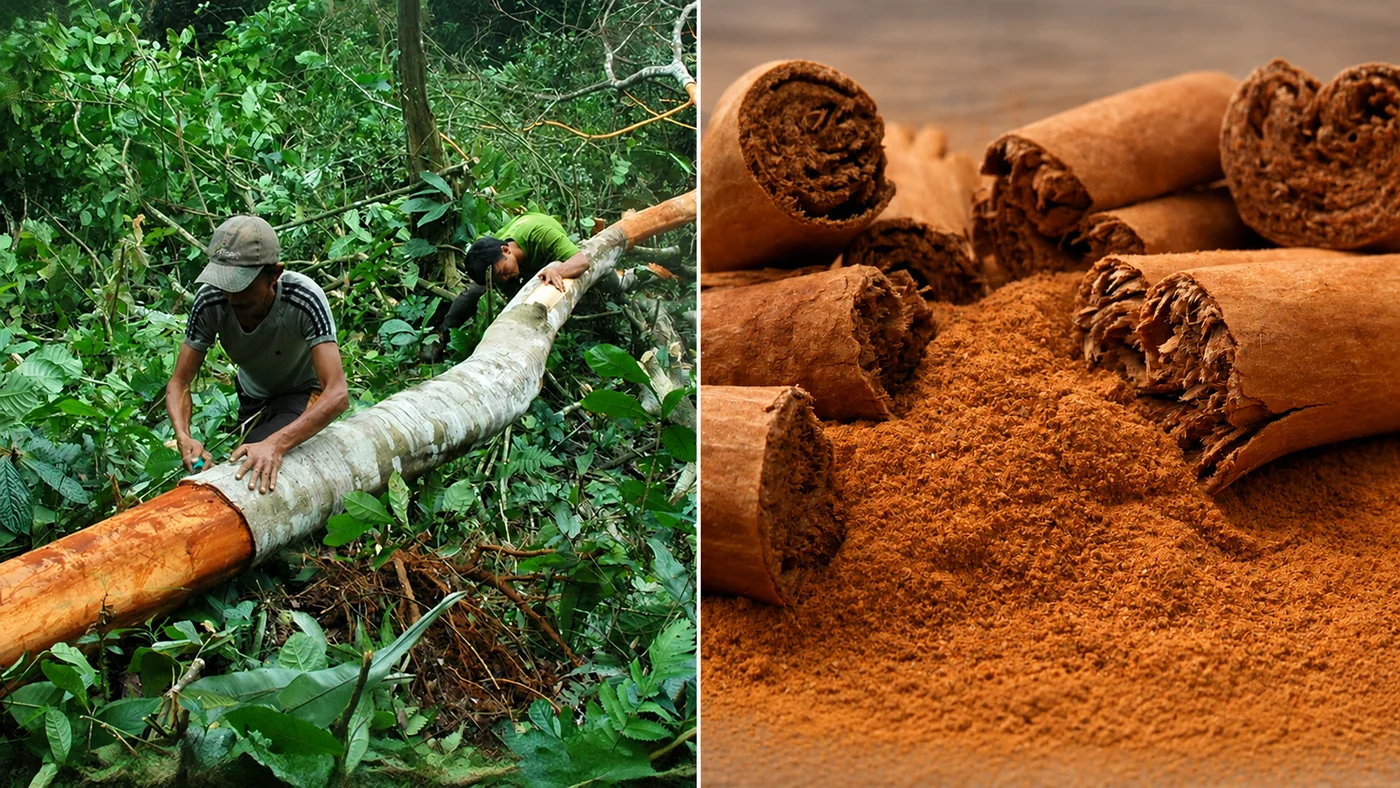
But this wasn’t the same cinnamon sitting in most kitchen cabinets today.
It wasn’t the cheap cinnamon commonly sold around the world.
It was the original Ceylon cinnamon — harvested from a small region of Sri Lanka and treasured for centuries.
And researchers began noticing something fascinating...
Despite major changes in diet and lifestyle around the world, Sri Lanka has historically maintained one of the lowest diabetes rates compared to many Western countries.
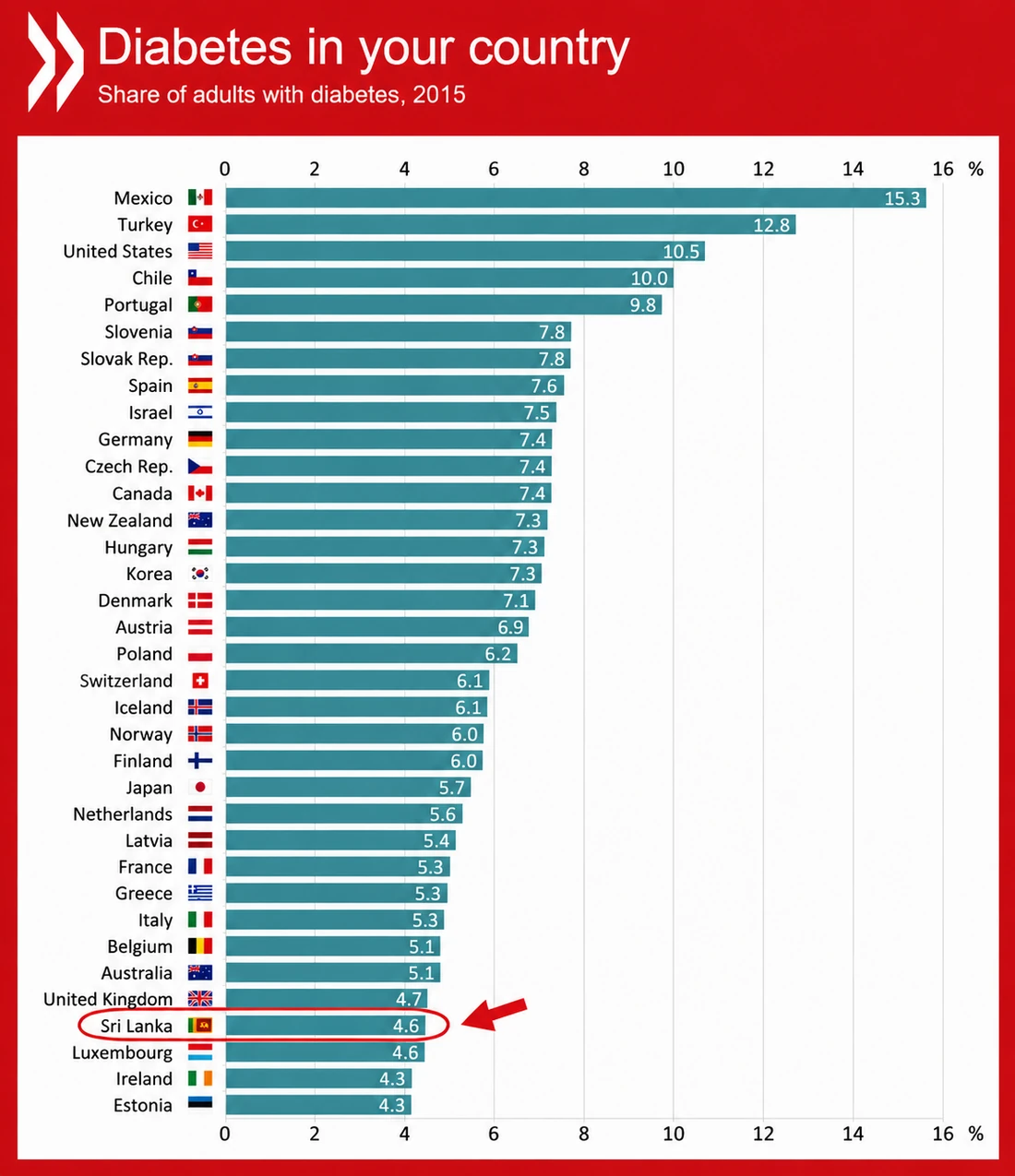
Many scientists started asking:
Could this ancient cinnamon ritual be part of the reason?
Let me explain.
It All Started With an Apple Pie…
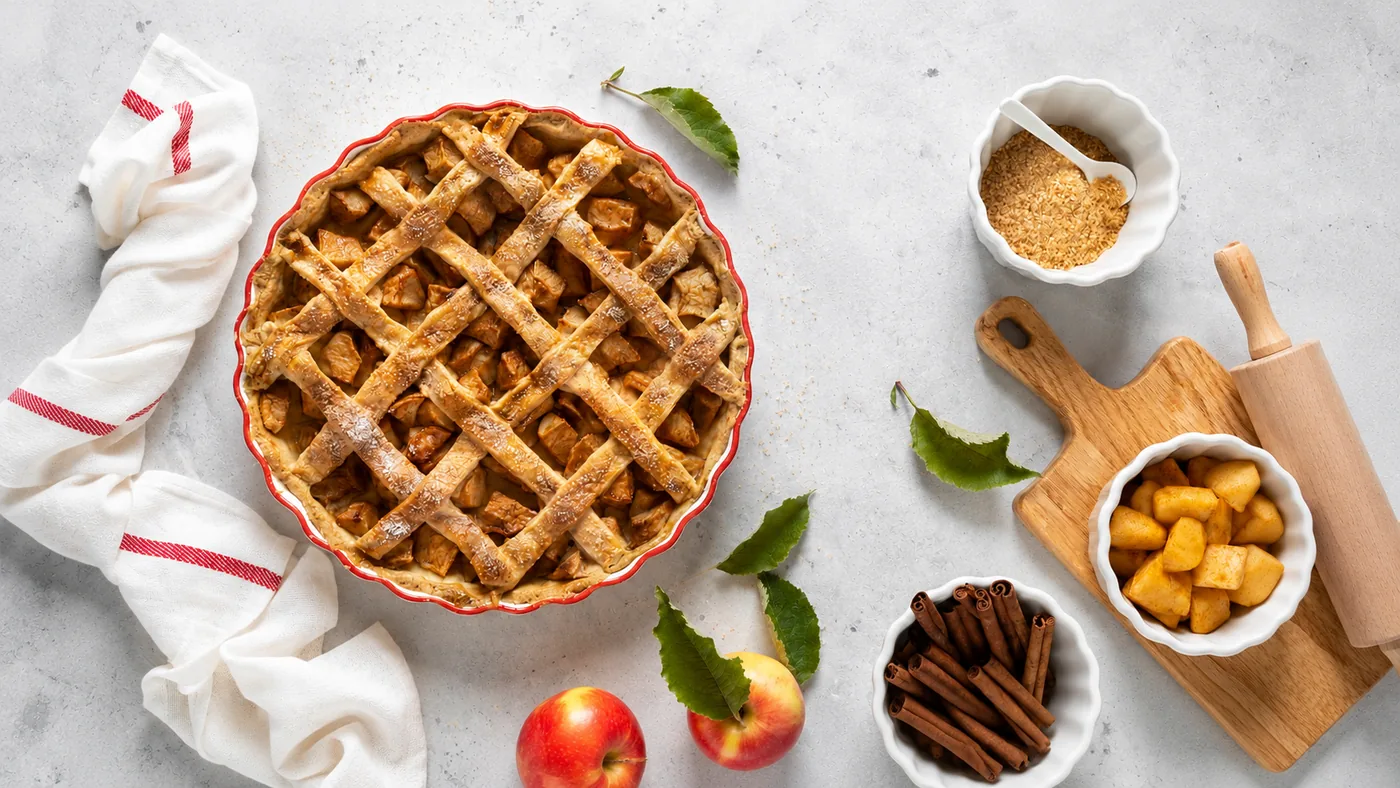
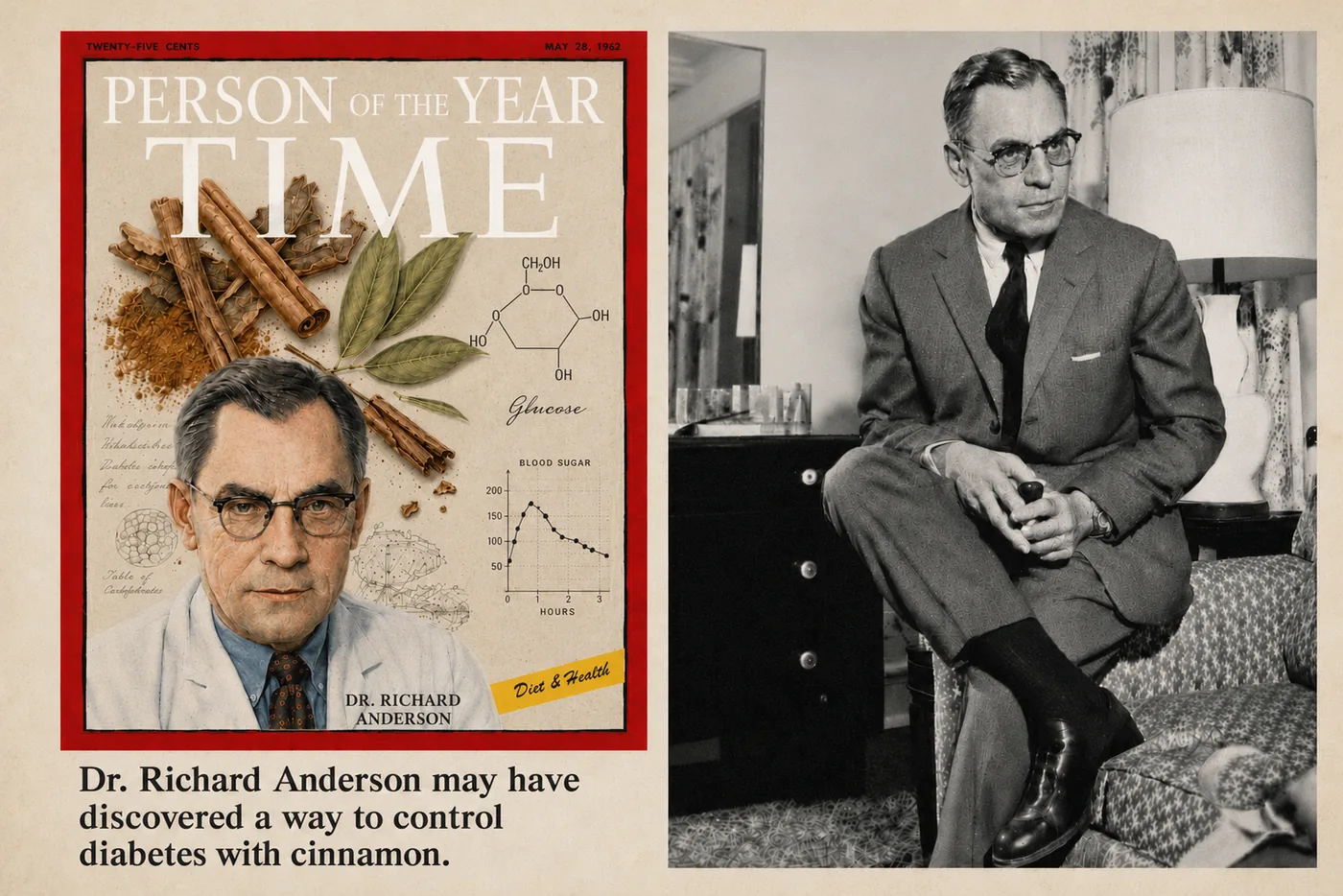
Dr. Richard Anderson was a lead researcher at the United States Department of Agriculture, at the Beltsville research center in Maryland.
His job was to test various common foods and measure what each one did to blood sugar.
One of them was apple pie.
Now think about this with me…
Apple pie is sugar, white flour, and fat.
Anderson expected it to worsen glucose markers, obviously.
But when the results came back…
It was the opposite.
The apple pie improved insulin function more than any other food in the entire series of tests.
So he was confused and repeated the test.
Same result.
And this is where it gets interesting.
When Anderson Analyzed the Pie Ingredient by Ingredient, He Finally Found the Secret…
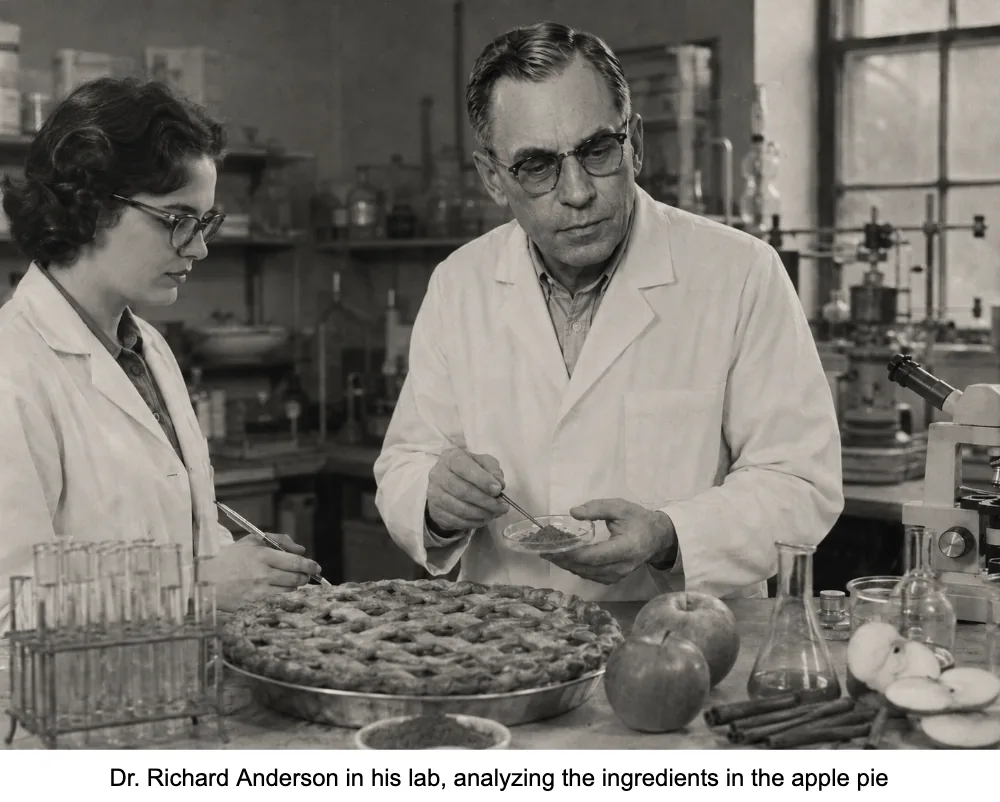
So he began separating the ingredients one by one.
Flour. Sugar. Butter. Apple.
The first obvious hypothesis was the apple.
It would make sense.
So they tested the apple by itself.
But it wasn’t the apple.
“Then it must be something in the crust,” they thought.
It wasn’t the crust either.
And here’s the part that made the LEAST sense:
The pie had more added sugar than practically any other food they tested…
And yet it produced the best insulin response.
A food with more sugar. With a better glycemic response.
They tested the fat. That wasn’t it.
They tested the egg. That wasn’t it.
One by one, the ingredients were eliminated.
Until exactly one remained.
The only one nobody would suspect, because it was there just for the aroma, simply as a finishing touch.
That little spoonful we sprinkle on top of the pie and don’t even count as an ingredient:
Cinnamon
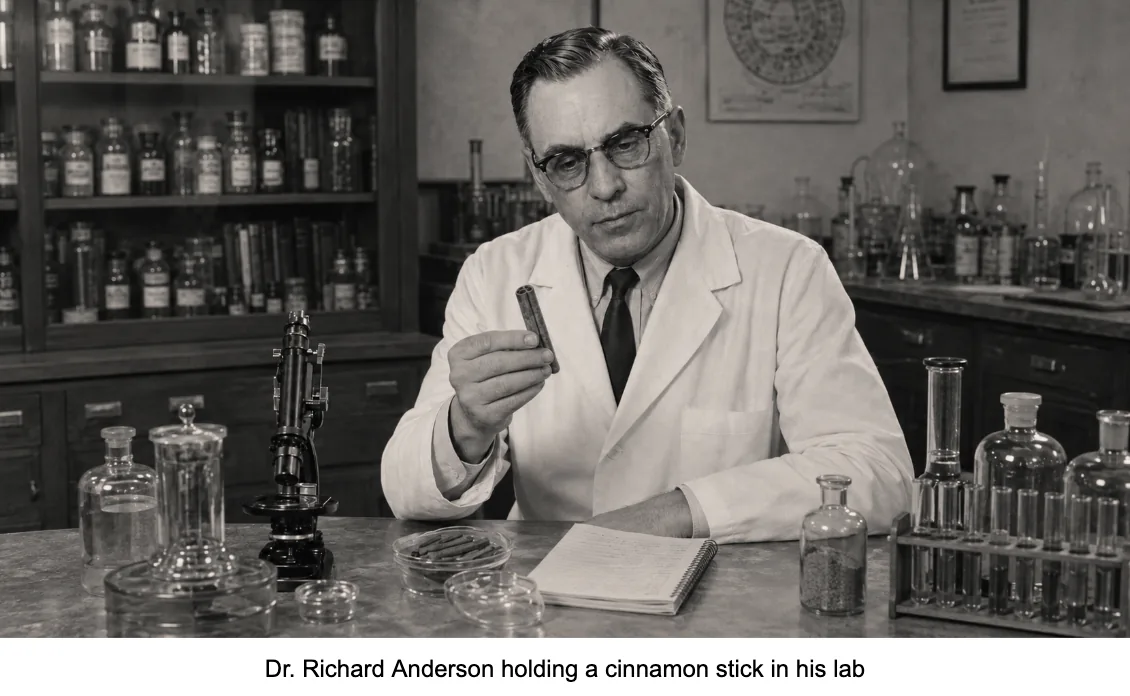
What Was Inside the Cinnamon Changed Everything…
So Anderson and his team went back to the lab and isolated the compound in cinnamon that was doing it.
Its name is MHCP (methylhydroxychalcone polymer).
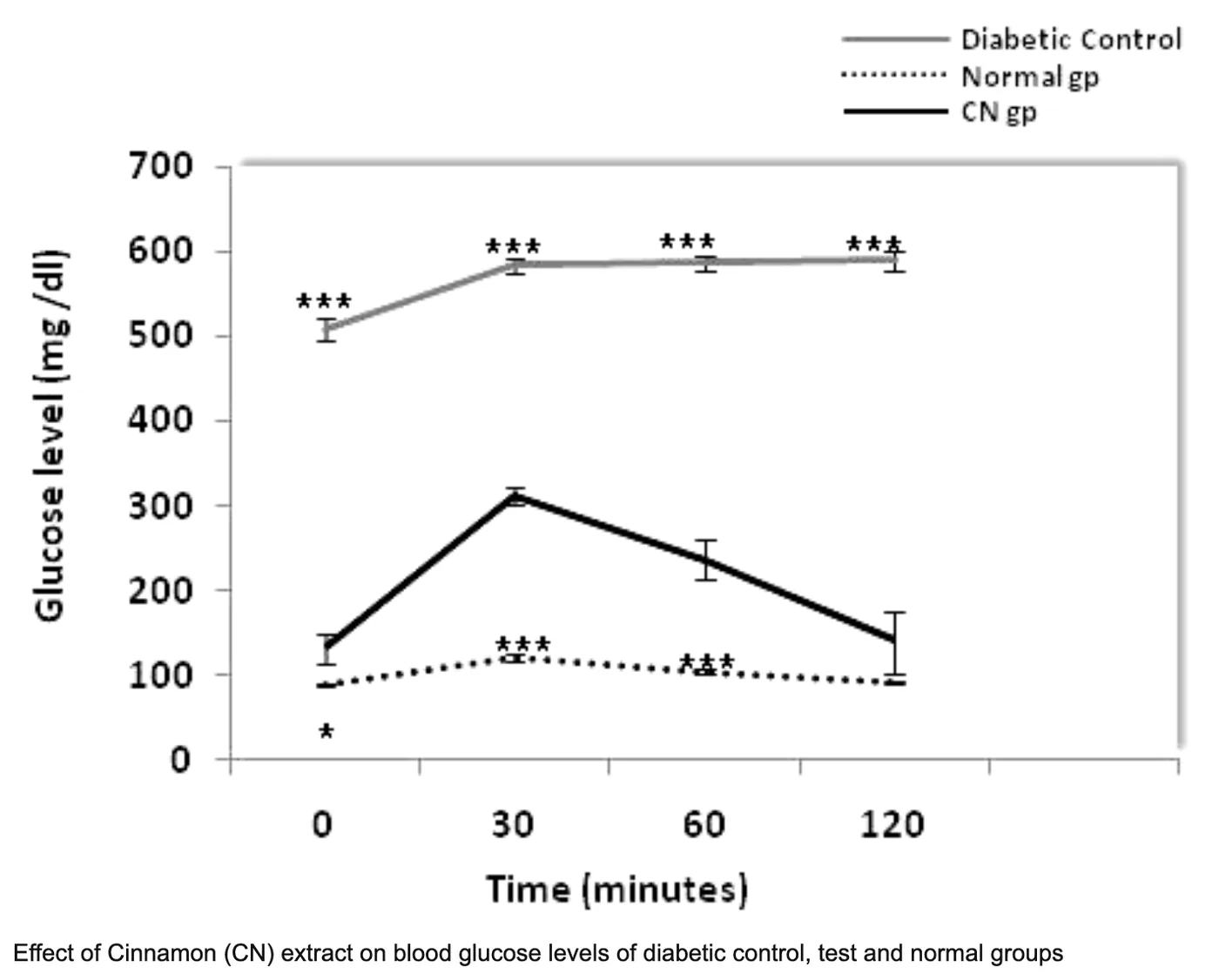
You don’t need to memorize that name, but what this compound does is the reason you’re reading this today.
Here’s what almost nobody explains properly:
Your body is probably still producing insulin.
The problem is that your cells have stopped listening to insulin.
This is called: Insulin Resistance
And that’s why your blood sugar stays high no matter how “carefully” you eat.
Here’s how it works:
Insulin is the key.
The cell is the door.
Glucose is what needs to get inside.
With insulin resistance, the key tries to turn, but the door is stuck because the lock has rusted.
The door doesn’t open and glucose doesn’t get into the cell.
So it stays circulating through your bloodstream, your kidneys, your nerves, your eyes…
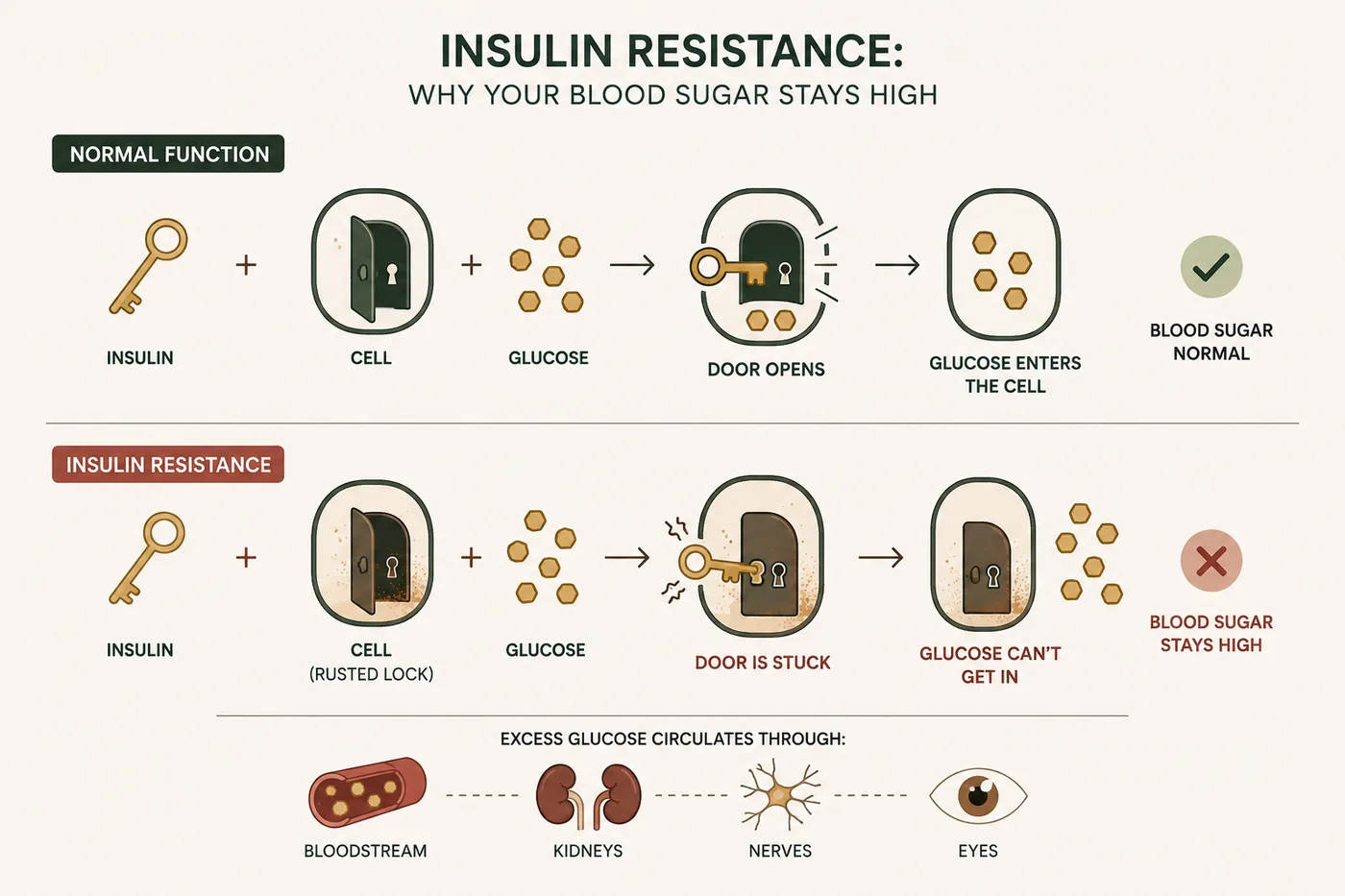
Because it isn’t entering your cells as efficiently as it should.
That’s why simply thinking:
“My blood sugar is high because I’m eating too much sugar”
Is partially wrong.
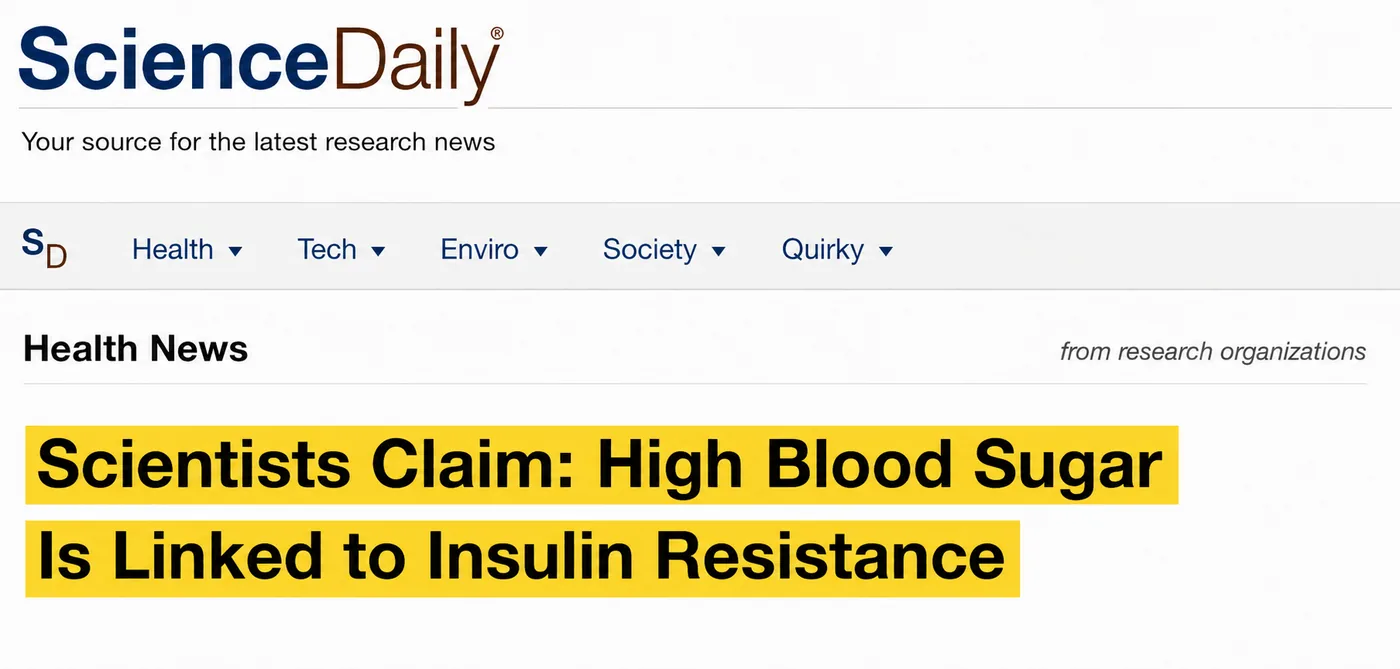
Of course diet matters. But it isn’t the main point.
There’s another question:
Are your cells still responding properly to insulin?
Because if the answer is “no”…
You can spend all day trying to control what goes into your mouth…
While ignoring what’s happening inside your cells.
Now understand what Anderson discovered:
MHCP does exactly what insulin is supposed to do, but can no longer do on its own.
It helps the cells “open the door” again so glucose can get inside.
Anderson called it the most significant scientific discovery he had seen in 25 years of his career.
You’ve Been Misled About Cinnamon This Entire Time…
And maybe some people are thinking: “Okay, I’ve already used cinnamon, but I still have high numbers on my meter.”
For starters, cinnamon can be found in many cabinets across the country.
It’s in cakes, coffee, cereal, desserts…
You probably have a little jar at home, right?
However, most of the cinnamon sold in the United States is not the same kind Dr. Anderson studied.
And I’m going to give you the answer the supplement industry doesn’t like to give.
If you’ve ever bought a bottle of cinnamon capsules at the drugstore…
If you’ve ever put cinnamon powder in your coffee every day for three months hoping the number would go down…
And nothing happened…
You didn’t fail.
You took the wrong plant.
95% of “Cinnamon” Supplements Are Scam…
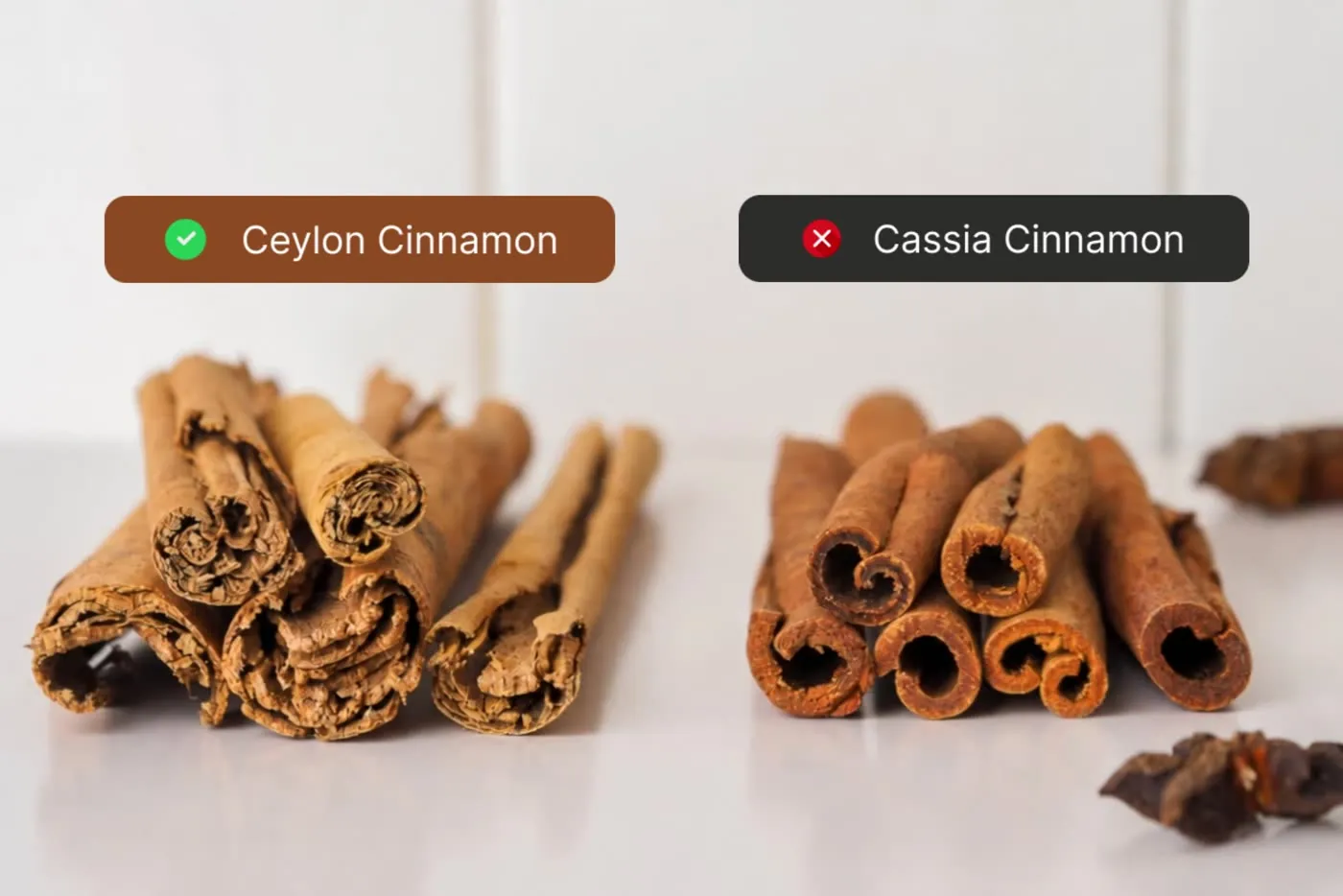
If you’ve tried cinnamon before and it did nothing for your blood sugar, you probably took Cassia.
It’s a cheaper bark from China.
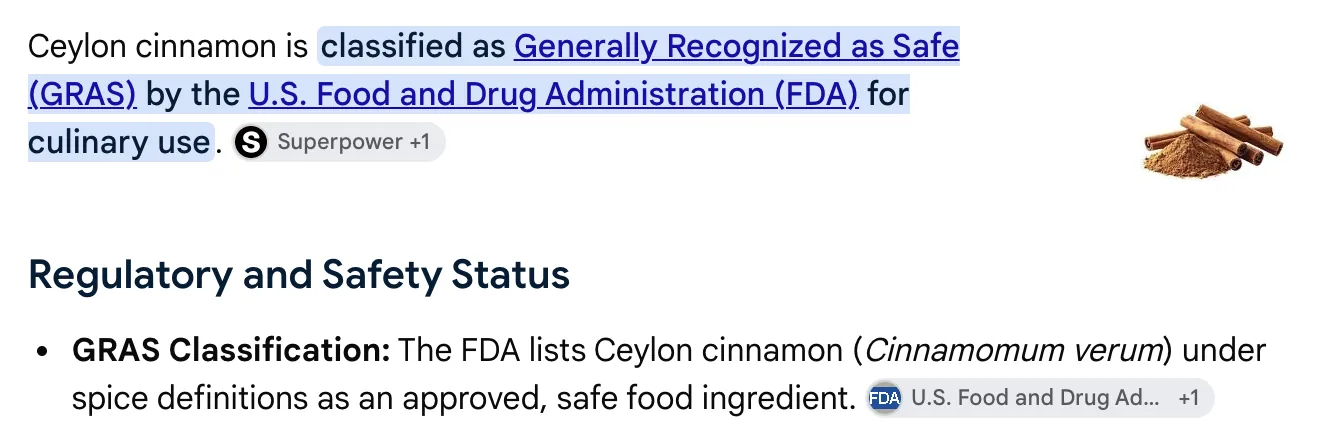
Ceylon, which is Cinnamomum verum. The scientific name that literally means “true cinnamon” — only grows in a narrow strip of land in southwestern Sri Lanka.

There, it is harvested by hand.
Ceylon bark is harvested by hand from the thin inner layer of the trunk and rolled into extremely fine layers — you can count ten or more paper-thin sheets inside a single Ceylon stick.
Cassia, on the other hand, is a single thick bark that curls in on itself. Industrial harvesting, at scale, cheap.
That’s why Ceylon costs much more.
And that’s exactly why the supplement industry uses Cassia.
And most brands sell it as if it were cinnamon.
Legally, they can.
Because the word “cinnamon” on the label does not require anyone to tell you which species is inside.
Cassia and Ceylon are different plants.
Similar genera, distinct species, compositions that have nothing to do with each other.
It’s the difference between a horse and a zebra.
A Mistake That Cost American Healthcare Centuries

This wasn’t a recent accident.
It was a commercial decision made centuries ago.
Ceylon cinnamon was once one of the most expensive spices in the world.
The Portuguese, Dutch, and British fought wars to control its trade.
It was difficult to grow. Difficult to harvest. Difficult to transport.
So the market found a solution.
They found a similar bark, thicker, tougher, much cheaper — Cassia, from China and Indonesia.
It had a similar smell.
A stronger, harsher flavor, but close enough.
And it cost a fraction of the price.
So it was given the same name.
And sold on the same shelf.
Today, the overwhelming majority of “cinnamon” sold around the world is Cassia.
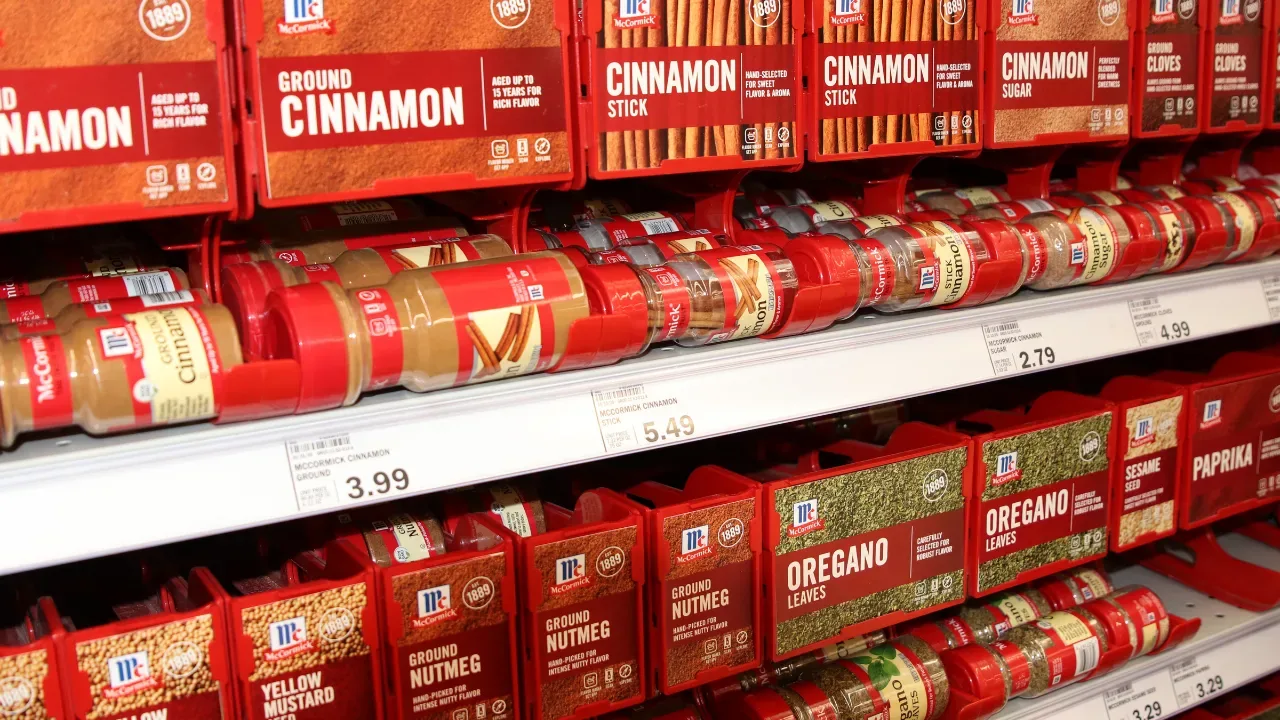
The product that became famous for the benefits of Ceylon…
Is sold as if it were the same thing.
While real Ceylon continues leaving Sri Lanka in limited quantities, for those who actually know what they’re looking for.
And Cassia Isn’t Just Ineffective. It Carries a Risk.
Cassia contains a substance called coumarin.
The FDA itself measured the levels.
Cassia cinnamon contains, on average, around 3,000 mg of coumarin per kilogram.
And why does that matter?
Because coumarin, when used daily and continuously, is associated with liver stress and liver damage.
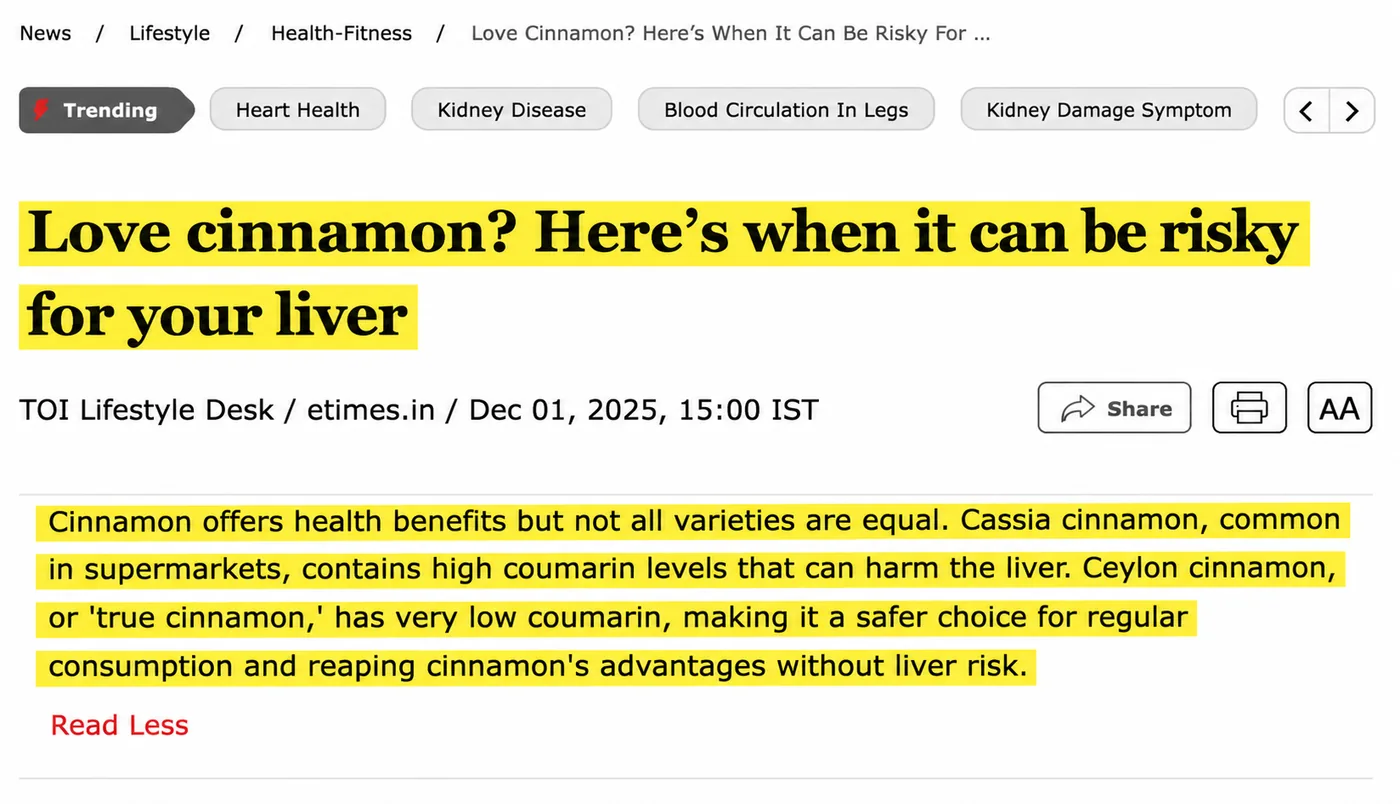
The FDA established a tolerable daily intake limit of 0.1 mg of coumarin per kilogram of body weight.

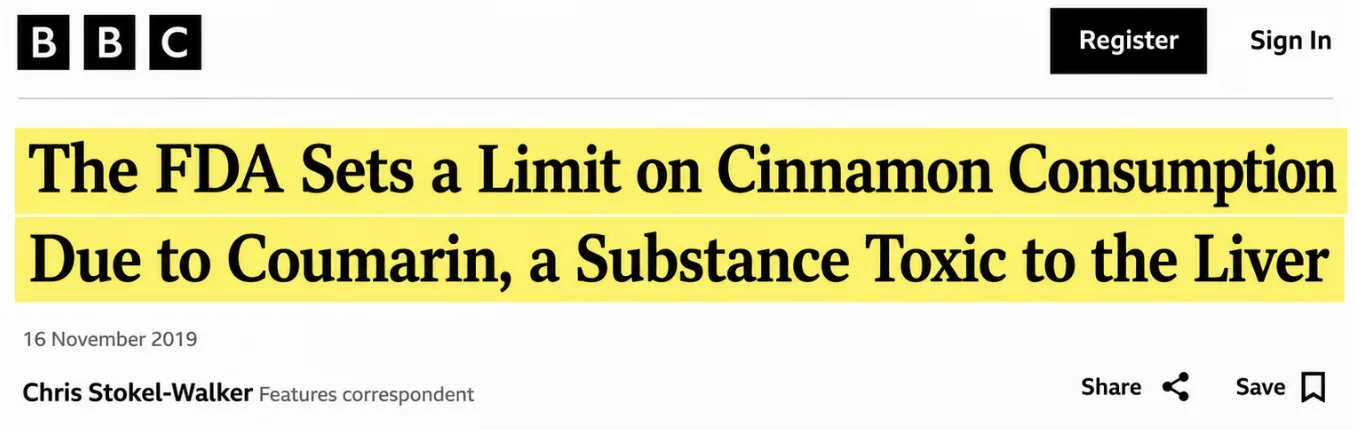
For a 132-pound adult, that’s 6 mg per day. For a lifetime.
One teaspoon of Cassia alone can exceed that.
And that’s why the FDA explicitly recommends that people who consume cinnamon frequently use Ceylon.
Now stop and think about what that means for you:
If you’re someone with blood sugar problems, taking the wrong cinnamon every single day, for years…
You’re putting yourself in serious danger.
You did everything thinking you were taking care of your health.
And you bought the wrong bottle.
And There’s a Second Problem, Which Is Dosage
Let’s say you managed to get real Ceylon.
Powdered. In the cabinet. A spoonful in your coffee.
Even then, it would hardly solve the problem.
Because the concentrations of active compounds studied don’t appear in a pinch of seasoning.
The natives of Sri Lanka don’t use just a pinch, they consume this cinnamon from childhood. It is present in all of their meals throughout the day, for years and decades.
That is exactly why this region records the lowest diabetes rates in the world.
So, to get the same benefit that the people of Sri Lanka naturally have, you would need:
- 1. The right species — DNA-verified Ceylon. In its purest possible form.
- 2. An extremely potent concentration — equivalent to thousands of milligrams of raw bark. Something no current supplement or store-bought jar delivers.
Having one without the other doesn’t work.
And that’s where practically every product on the market fails on at least one of those two fronts.
That’s why we decided to solve both.
Introducing the Breakthrough Solution for Blood Sugar
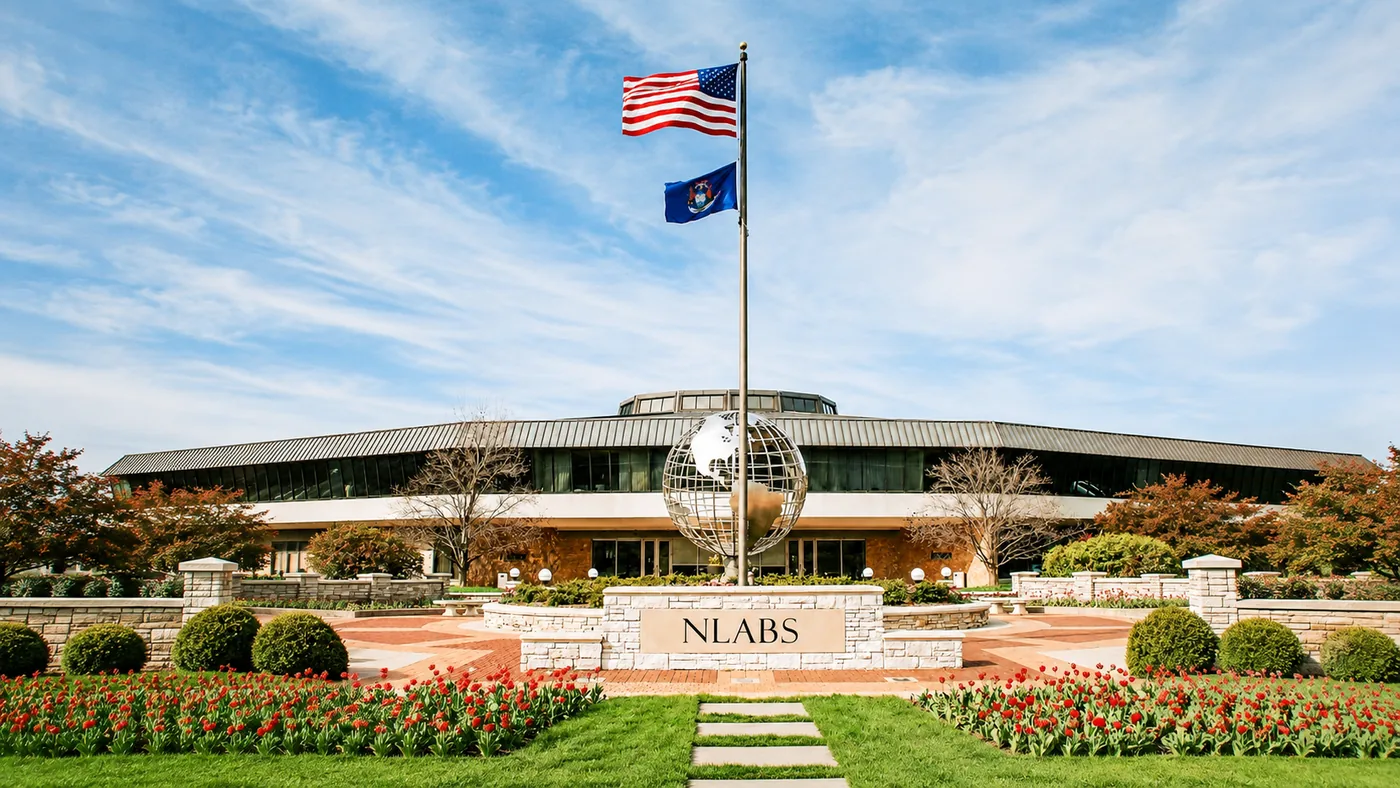
After months of work, together with Dr. Richard Anderson’s own team and in partnership with NLabs, one of the most respected laboratories in the U.S. and the world…
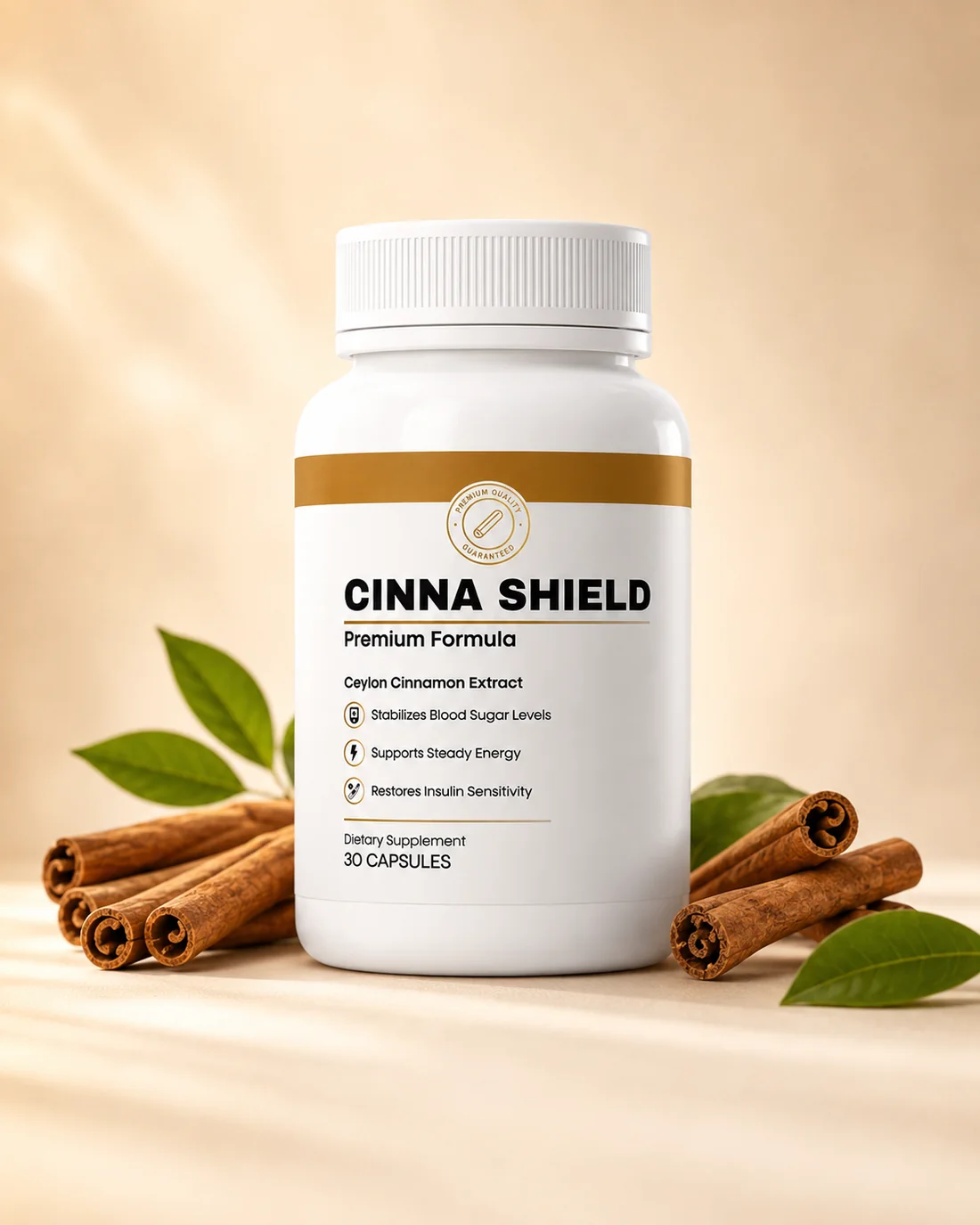
We created Cinna Shield®.
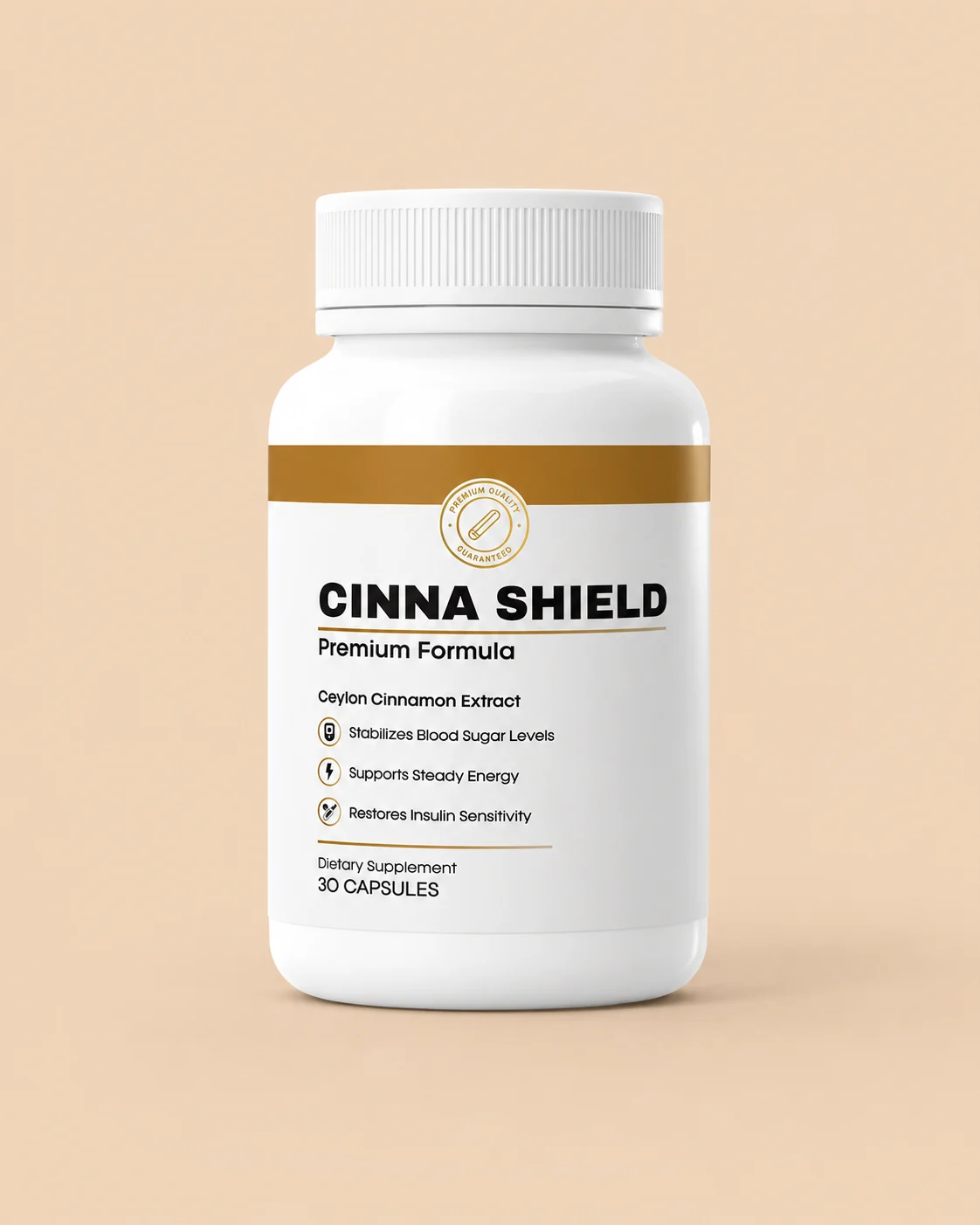
Real Ceylon that comes directly from the bark of trees in Sri Lanka.
A completely different species from Cassia.
Cinna Shield® uses DNA-verified Ceylon in a concentrated 12:1 extract.
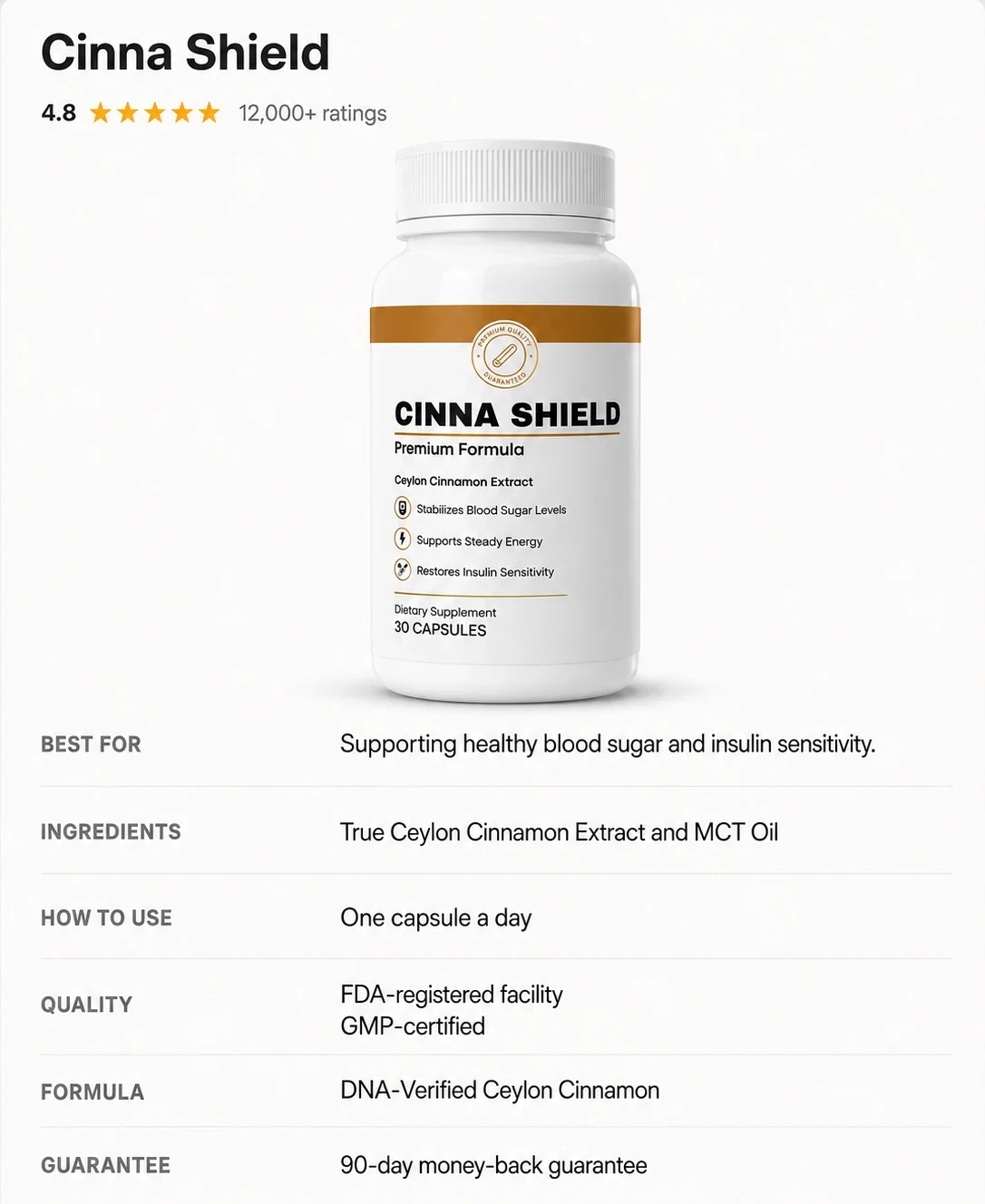
A single capsule delivers the equivalent of 7,200 mg of raw bark.
Let me translate those two numbers for you, because they are the entire product.
“DNA-Verified” Means the Plant Was Tested, Not Just Purchased
DNA testing identifies the botanical species of the raw material.
Not the smell. Not the color.
The species.
It’s the only way to guarantee that what went into the capsule is Cinnamomum verum, and not the cheap Chinese bark the industry sells under the same name.
“12:1” Means 12 Kilograms of Bark Are Used to Make 1 Kilogram of Extract
That’s why one capsule delivers the equivalent of 7,200 mg of raw bark.
You couldn’t eat that.
Not as powder, not in coffee, not sprinkled over fruit.
Not every day.
And that’s the distance between “using cinnamon as a seasoning” and “using cinnamon as a defense and control strategy for diabetes.”
That’s the difference that will show up on your meter.
★★★★★
Real Stories, Real Results
Honest experiences with Cinna Shield® Ceylon Cinnamon
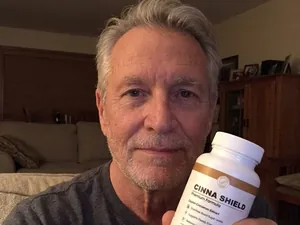
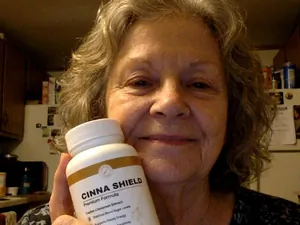
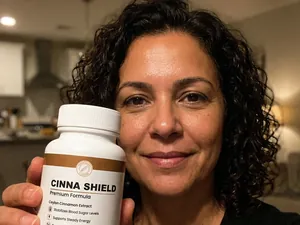
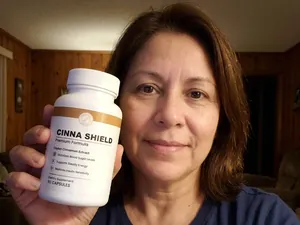
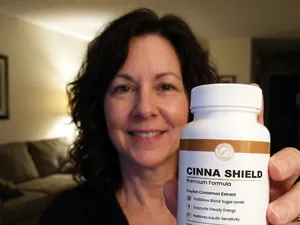
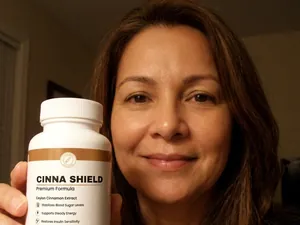
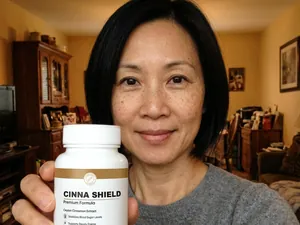
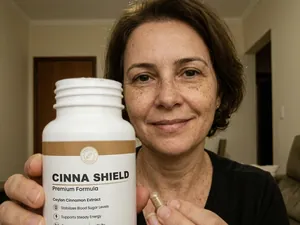
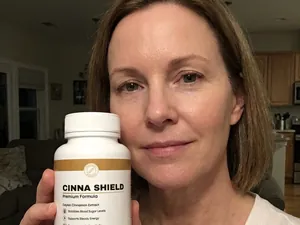
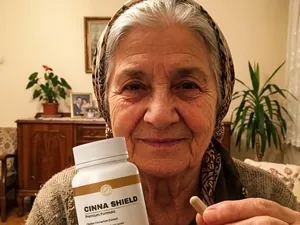
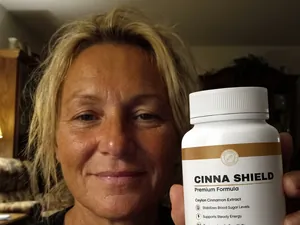
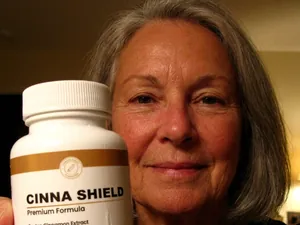
5.0★★★★★
Finally Back in Control!
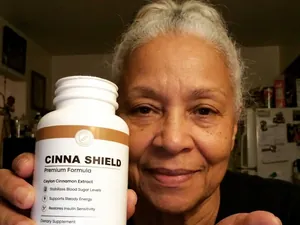
For years my blood sugar was all over the place and every reading stressed me out. I felt like no matter how clean I ate or how hard I tried, my numbers never stayed consistent. Since starting Cinna Shield, everything feels steadier and those afternoon crashes don’t control me anymore. My energy lasts through the day and I’m not constantly reaching for caffeine or sugar. For the first time in a long time, I feel like I’m back in charge of my health.
 Jacob M.
✓ Verified Customer
Jacob M.
✓ Verified Customer
5.0★★★★★
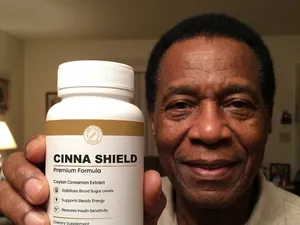
Mornings Finally Feel Clear
I used to start every morning tired, foggy, and already worrying about what my numbers would look like. I tried every so-called ‘healthy fix’ but nothing really moved the needle. With Cinna Shield, my mornings feel clear, my cravings are under control, and my energy is steady throughout the day. I’m not dealing with those late-night sugar crashes anymore and I finally feel balanced. It feels good knowing I’ve found something simple that actually works.
 David L.
✓ Verified Customer
David L.
✓ Verified Customer
5.0★★★★★
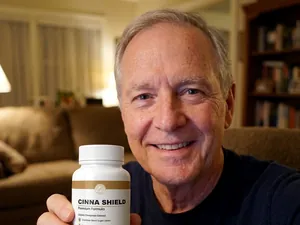
My Doctor Asked What I Changed!
I was skeptical about another cinnamon supplement because I’d tried so many that did nothing. But my neighbor insisted this Ceylon one was different because it’s concentrated instead of powder. After 8 weeks, my doctor noticed my numbers were more stable and asked what I’d changed. I told him about the Ceylon cinnamon and he said whatever I’m doing, keep it up. No stomach issues like the other brands gave me either.
 Margaret R.
✓ Verified Customer
Margaret R.
✓ Verified Customer
4.9★★★★★
Wish I’d Known About Ceylon vs Cassia Years Ago!
My husband had been taking cinnamon capsules from the drugstore for blood sugar support, but they weren’t doing much and sometimes caused heartburn. I researched and learned most store brands use Cassia cinnamon, which can stress your liver. Cinna Shield uses real Ceylon cinnamon. Within a month, his energy was steadier and his morning readings improved from the 140s to consistent 120s. The capsules are much easier on his stomach too.
 Patricia S.
✓ Verified Customer
Patricia S.
✓ Verified Customer
5.0★★★★★
Quality You Can Actually Feel Working!
As a retired nurse, I’m very particular about supplements. Most are cheap fillers with barely any active ingredients. Cinna Shield Ceylon Cinnamon is clearly premium — you can tell by the 12-to-1 concentration from authentic Sri Lankan Ceylon bark. I’ve been taking it for 3 months and my energy levels are the most stable they’ve been in years. No more 2 PM sugar cravings, no digestive upset, and my labs showed improvements. Worth every penny.
 Joyce T.
✓ Verified Customer
Joyce T.
✓ Verified Customer
5.0★★★★★
The First Thing That Works
I’ve thrown away so much money on powders, gummies, and sugar support blends that made big promises but never delivered. Nothing ever stuck and I just kept feeling more frustrated. Cinna Shield was different from the start — one capsule a day actually gave me the steady energy I’d been missing for years. My focus is sharper, I don’t hit the wall in the afternoons, and I finally feel consistent. It’s the first product I can honestly say has changed my daily routine.
 Michael T.
✓ Verified Customer
Michael T.
✓ Verified Customer
Individual results may vary*
What Happens When Cinna Shield® Enters Your Life...
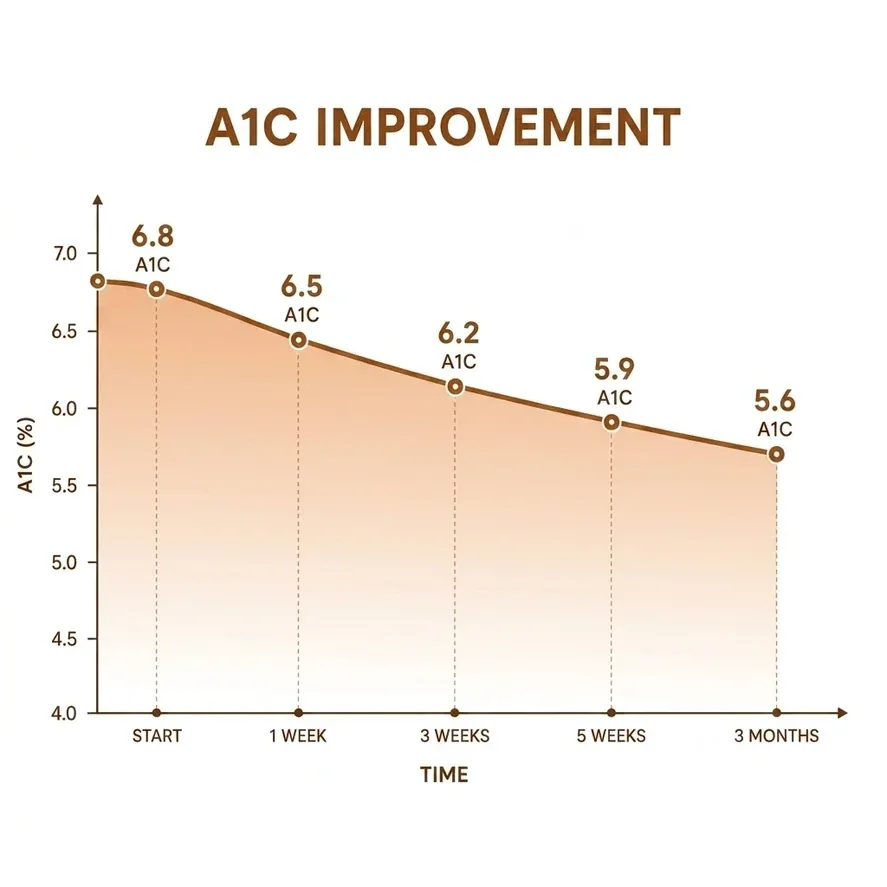
- The brain fog disappears.
- Sugar cravings decrease.
- Your body stops asking for sugar.
You feel that something has changed.
- Your meter shows a number you haven’t seen in years.
- Your energy comes back.
- Your mood improves.
You start believing again.
- Your post-meal blood sugar stabilizes.
- That sleepiness after lunch? Gone.
- Your body is finally using glucose the way it should.
The door that was stuck has started to open.
- You don’t recognize the tired person in the mirror.
- Your sleep is deeper.
- Your skin improves.
Your doctor will ask what you did.
- You no longer calculate carbs.
- You no longer run away from food.
- And you no longer live in fear of eating.
The anxiety is gone.
- Diabetes is no longer the center of your life.
- You wake up without fear.
- Eat without guilt.
- Plan for the future without the shadow of the disease.
You’re living again.
Why Most People Fail (And How You Won’t)
Most people who begin treatment with Cinna Shield® quit in week 3.
Why?
Because the body starts responding quickly — and they think they’re already cured.
Or because the deeper result takes a little longer — and they think it’s not going to work.
Both are wrong.
The first signs come in the first few days.
But the real transformation — the one where you trust your body again, where diabetes stops feeling like a sentence, where you look in the mirror and see a new person...
That takes months.
Not because the formula is slow.
Because cellular damage does not reverse in weeks. That’s biology.
And no product on the planet can change that.
Is Cinna Shield® Made for You?
So before you make the decision to begin treatment with Cinna Shield®, you first need to know whether this is for you. I’d rather tell you the truth than sell you an illusion.
- For those who have already tried everything. Metformin, injections, diets, exercise, grocery-store cinnamon or internet scams, cheap supplements. Nothing worked. You’re not the exception — you’re the rule. But that changes now.
- For those who still have hope. If you’ve already given up on getting better, this text isn’t for you. But if there’s still a thread of hope that your body can respond... you’re in the right place.
- For those who want to stop depending on medication. Medications control. They don’t cure. You don’t want another crutch. You want to get out of the pharmacy.
- For those who want to stop living in fear. Fear of eating. Fear of the meter. Fear of the next appointment. Fear of complications. That fear can end.
- Not for people who want results in one week. Insulin resistance didn’t form in days. It won’t disappear in days. If you don’t have the patience for 8 to 16 weeks of treatment, don’t buy — you’ll quit before the results appear.
- Not for people who have never investigated the cause. If you’ve never had tests done, never spoken with a doctor, never understood what’s happening inside your body... start there. Even if you don’t buy anything.
- Not for people looking for the cheapest option. If price is the only factor, buy generic metformin. It’ll cost less.
The True Cost of Not Solving This…
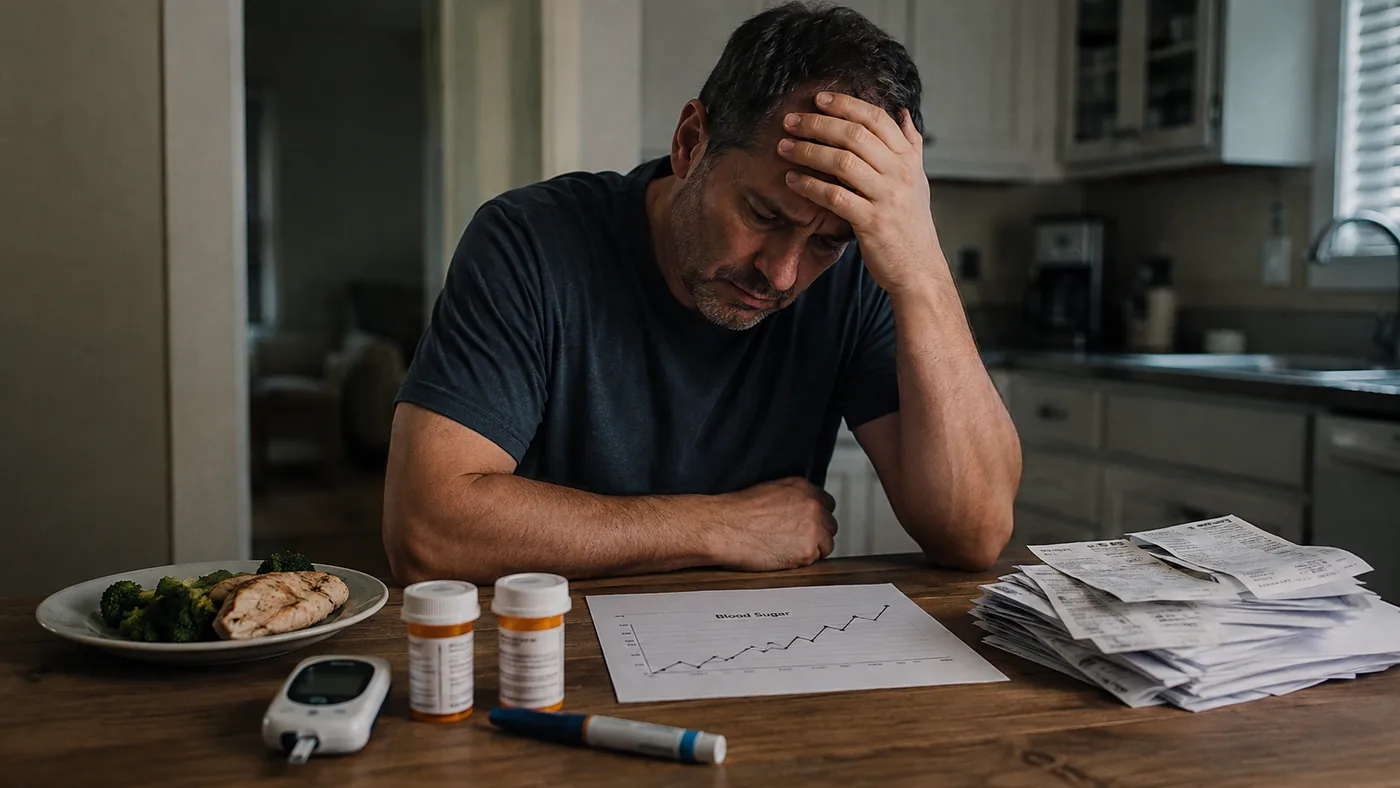
Let’s be honest here, because I know you’ve already spent a lot of money.
I’m not talking only about the price of Cinna Shield®.
I’m talking about the cost of continuing exactly as you are.
Let’s do the math:
- The Metformin you take every day may be cheap, but you know it only treats the symptom, not the cause. And you’ve already felt the side effects: diarrhea, nausea, fatigue, that constant discomfort that follows you throughout the entire day.
- Injectable medications like Ozempic, Mounjaro, or Trulicity can cost $800 to $2,500 per month — depending on your coverage — and come with a frightening list of side effects: severe nausea, vomiting, abdominal pain, risk of pancreatitis, and even suicidal thoughts in some cases.
- Appointments with endocrinologists who charge $200 to $400 per visit, and you walk out with the same prescription as always, except the dosage has been increased.
- The “miracle” supplements you bought at the drugstore or online: cinnamon powder, chromium, berberine — $50 here, $80 there, $120 somewhere else. And none of them did what they promised.
- The restrictive diet you try to follow, but that leaves you hungry, irritated, and frustrated, spending a fortune on “functional” foods that never solve the resistance inside your cells.
And worst of all: the cost that doesn’t show up on your credit card statement.
The problem was never the price of the medication.
The problem is that it never ends.
There is no final blister pack. There is no month when you buy it and you’re cured.
Imagine 10, 20, 30 years from now... still opening the same blister pack. Still pricking your finger every day. Still avoiding sweets. Still afraid.
Add up what you’ve already spent on appointments, tests, medications, supplements that didn’t work.
Then calculate how many years are still ahead.
That’s living like a hostage.
And worse: diabetes doesn’t stay the same. It gets worse.
If you do nothing now, 6 months from now your blood sugar will be higher. Your body will be more inflamed.
Doing nothing isn’t free.
You pay every day — with the energy you don’t have, with the fear that grows, with the number on the meter that refuses to go down no matter what you do…
You’ve Already Spent Too Much Money on Solutions That Don’t Treat the Cause…
Here’s the truth nobody told you:
Metformin and other medications do not reverse insulin resistance. They simply force your body to produce more insulin or make your liver produce less glucose.
That doesn’t solve the real problem: your cells have stopped listening to insulin.
It’s like trying to open a door with a rusty key — and instead of fixing the lock, you simply buy more keys and keep trying to turn harder.
But none of them fix the lock.
Cinna Shield®, with its MHCP, actually fixes the lock.
It helps your cells reopen the door so glucose can enter naturally.
Without forcing. Without overloading your pancreas. Without the devastating side effects of medications.
The Decision My Team Hated…
So I know you’ve already spent a lot of money.
Appointments, tests, medications, supplements, diets, apps, meters...
Altogether, you’ve already spent thousands.
And you’re still here. Reading. Looking for a real solution.
That’s why I did something my team hated.
I could charge a lot per bottle.
Many people would pay. Because it works.
But I don’t want to create another barrier for people who have already lost too much time and money.
That’s why today you can get access to Cinna Shield® with 70% off the complete 6-month package.
How It Works…
First, you answer 5 quick questions to calculate your Insulin Resistance Index.
I need to know your age, how long this has been happening, what your blood sugar looks like now, and what you’ve already tried.
At the end, you’ll find out whether Cinna Shield® is compatible with your body. And if it is, your price and complete package will appear in the results.
Don’t wait. Click the button and check your index before this batch sells out.
Check My Insulin Resistance Index →It’s the price of living again without fear of food. Without fear of the meter. Without fear of the future.
You Have Nothing to Lose…
I know you’ve been misled before. So I’m going to remove all the risk for you.
Try Cinna Shield® for 90 full days. Use the bottles.
Watch for the first signs:
- Your blood sugar beginning to stabilize.
- Your energy returning throughout the day.
- That post-meal sleepiness decreasing.
- Your meter showing numbers you haven’t seen in years.
If, after 90 days of consistent use, your blood sugar does not improve, if you don’t feel that your body is finally responding, or if for any reason you are not 100% satisfied, send my team an email and ask for your money back.
Empty bottles. No questions. No hassle. Nobody is going to tell you that you “did something wrong.”
If you don’t get the result you’re looking for, or you believe there is a better solution on the market for your condition, the customer support team will refund 100% of your purchase price.
This isn’t a fake guarantee. This isn’t a marketing trick.
This is confidence in the revolutionary solution we developed.
You keep the result or you keep the money.
The only thing you cannot do is stay exactly where you are.
Six Months From Now, You’ll Be Living One of Two Stories
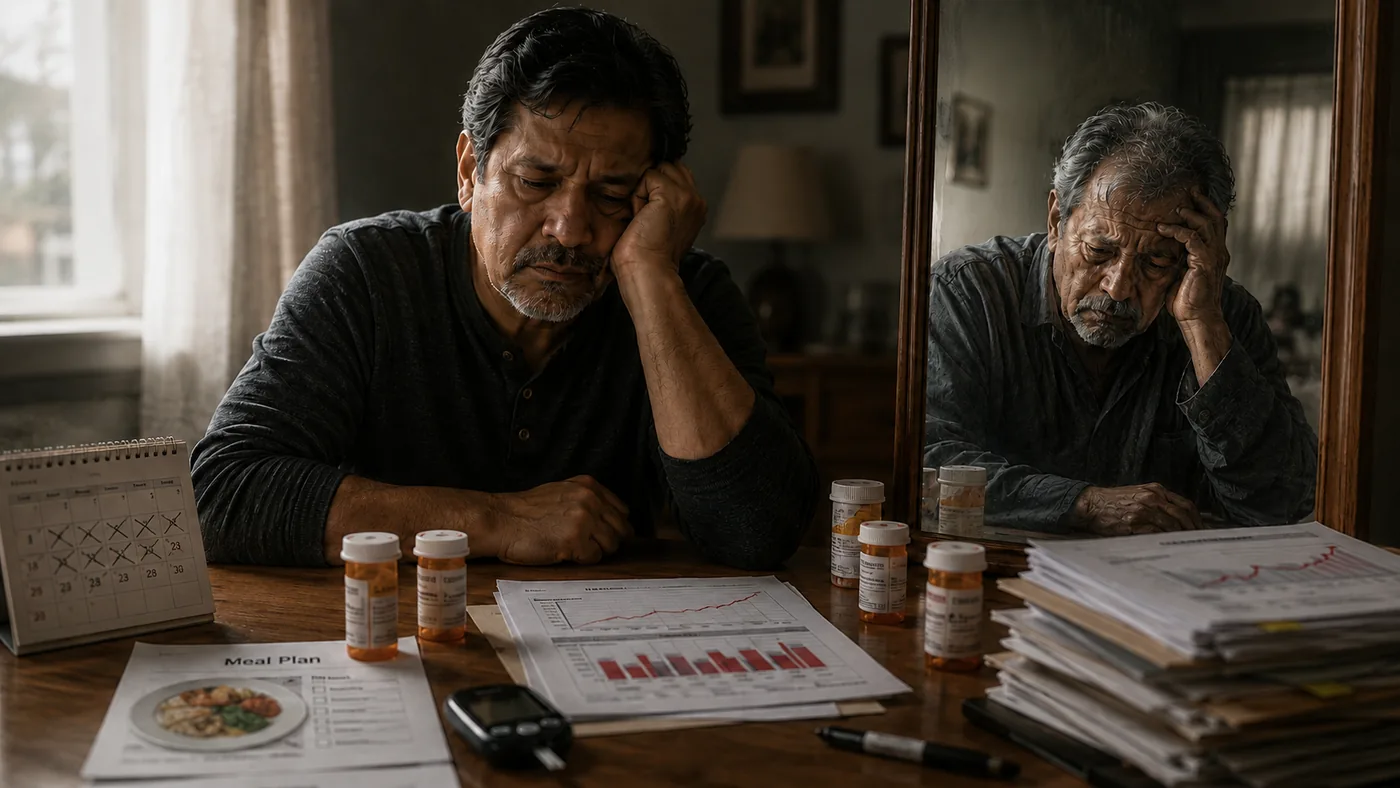
Another appointment. Another test. Another medication. Another diet that didn’t work.
But here’s the part you need to feel: Diabetes doesn’t stand still.
It doesn’t wait for you to decide.
Every month that passes, the resistance increases. Inflammation advances. Complications get closer.
Path 1 isn’t your blood sugar staying where it is. Path 1 is you six months from now, with worse numbers, more fear, more restrictions, more guilt.
It’s looking in the mirror and seeing someone 10 years older — and slowly starting to accept that this is just how it is.
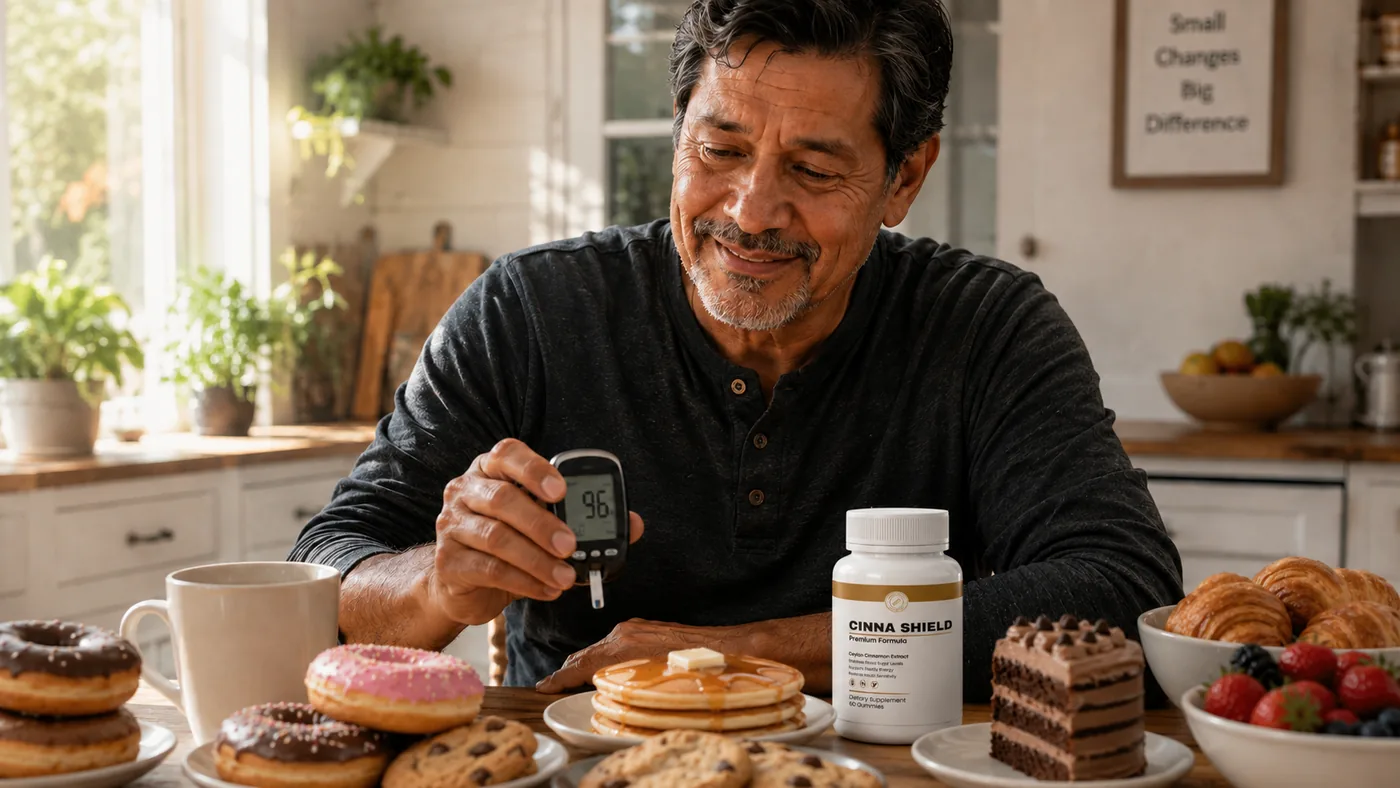
Six months from now, it’s an ordinary morning.
You wake up, walk into the kitchen, have your coffee — without calculating carbs, without fear.
You look at the meter and see numbers you haven’t seen in years.
You no longer live your life around diabetes.
You eat a piece of fruit without guilt. You go out with friends without anxiety. You plan for the future without the shadow of the disease.
You go to the doctor and he says: “What did you do? Your numbers look excellent.”
And you smile. Because you know it wasn’t luck. It was a decision.
Now you know the truth.
You know why everything you tried until today didn’t work.
Answer the 5 questions. Your result appears in less than 1 minute.
A new life is waiting for you on the next click.
Check My Insulin Resistance Index →Learn more about the traditional Sri Lankan cinnamon ritual
Short answer: the "cinnamon ritual" referenced throughout this page describes a genuinely old, well-documented dietary pattern from Sri Lanka — near-daily culinary use of true Ceylon cinnamon (Cinnamomum verum) across a lifetime — that nutrition researchers have studied as a possible partial explanation for the country's comparatively low rate of diagnosed type 2 diabetes. It is not a folk myth invented for marketing. The sections below unpack where the idea comes from, why most cinnamon sold outside Sri Lanka can't reproduce it, what a realistic modern version of the habit actually looks like, and what to check before trusting any product's claim to use real Ceylon bark.
What is the traditional Sri Lankan cinnamon ritual, exactly?
In coastal households of southwestern Sri Lanka — the only region on earth where true Ceylon cinnamon (Cinnamomum verum) grows commercially — cinnamon has historically been treated less like an occasional spice and more like a daily staple, worked into tea, rice, curries, and other meals from early childhood onward. Unlike the Western habit of sprinkling cinnamon on a pastry as a garnish, the traditional pattern is one of small, repeated, near-daily exposure across a lifetime, using bark from a plant that is chemically distinct from the Cassia cinnamon found in most Western grocery stores. Framing this as a "ritual" reflects how consistently and routinely it's woven into ordinary life, not a single ceremonial act.
How did this everyday habit end up connected to blood sugar research?
Population health researchers comparing diabetes rates across countries have repeatedly noted that Sri Lanka's rate of diagnosed type 2 diabetes runs lower than many higher-income Western nations, despite regional increases in processed food consumption and sedentary lifestyles. That observation sent nutrition scientists looking for possible contributing dietary factors, and Ceylon cinnamon's near-universal presence in the Sri Lankan diet became one candidate worth studying directly in the lab — separate from, but related to, the well-known USDA discovery that a cinnamon-containing apple pie recipe unexpectedly improved insulin response more than any other food tested in that research series. Isolating the active compound, a polyphenol called MHCP (methylhydroxychalcone polymer), gave researchers a concrete mechanism to test rather than relying on the population-level pattern alone.
Is the "30-second ritual" meant to be taken literally?
It refers to how quickly a daily habit can be performed, not to the length of time cinnamon needs to work in the body. Adding a concentrated Ceylon extract capsule to a morning routine takes seconds; the physiological process it supports — cells regaining sensitivity to insulin — unfolds over weeks, not seconds. The "ritual" framing is really about consistency: a small, repeatable action performed daily is what the traditional Sri Lankan pattern and a modern daily-capsule habit have in common, even though the format (a pinch of bark in cooking versus a standardized capsule) looks very different.
Can this ritual be recreated with the cinnamon sold in most supermarkets?
Not easily, for two separate reasons. First, most cinnamon sold in the United States and much of the world is Cassia, a different, more heavily farmed species from China, Vietnam, and Indonesia — not the Ceylon bark the tradition and the research are actually built around. Second, even someone who sources real Ceylon powder would need to eat it in far larger and more frequent quantities than is realistic — the concentrations studied in clinical research reflect a lifetime of near-daily culinary exposure, not a single spoonful in coffee. This combination of "wrong species" and "wrong dose" is the most common reason people who say they've "already tried cinnamon" for blood sugar didn't see a result.
Why does Cassia cinnamon matter as a safety issue, not just a potency one?
Cassia bark naturally contains a compound called coumarin at levels the FDA has flagged as worth limiting in the diet — its guidance cites Cassia cinnamon averaging around 3,000 mg of coumarin per kilogram, against a tolerable daily intake reference of about 0.1 mg per kilogram of body weight. Practically, that means a single heaping teaspoon of Cassia powder, taken daily over a long period, can approach or exceed a full day's recommended coumarin exposure — a real consideration for anyone trying to build a genuine daily "cinnamon ritual" using ordinary grocery-store powder rather than a tested, species-verified Ceylon extract.
What does a modern version of this daily ritual actually involve?
The practical version most people can realistically sustain is a single daily capsule of a standardized, DNA-verified Ceylon extract, taken at a consistent time — typically in the morning, with water, independent of meals. Consistency is the operative variable in both the traditional pattern and the modern one: a capsule taken most days but skipped often provides a very different, weaker version of daily exposure than one taken at the same time every day. This is also why guarantee windows on legitimate cinnamon-extract products tend to run 60–90 days rather than 30 — that's roughly the timeframe needed for a genuinely daily habit to show up in fasting glucose readings rather than day-to-day noise.
What's the difference between a "ritual" and simply taking a supplement?
Functionally, very little — the distinction is more about mindset than mechanism. Calling it a ritual emphasizes that the benefit comes from the daily habit itself, not from a single dose, and borrows from how the tradition actually worked in Sri Lankan households: not a treatment taken during a flare-up, but a constant, background part of ordinary eating across an entire lifetime. Someone building a "cinnamon ritual" today is really just building a habit loop — same time, same trigger (like brushing teeth or making coffee), same action — around a supplement whose research base depends on that same daily consistency.
How soon might someone notice something from a daily Ceylon cinnamon habit?
Reported experience and the available research generally describe two phases. Early changes — shifts in cravings, steadier energy in the afternoon — are more commonly noticed within one to two weeks of consistent use. Measurable changes in fasting blood glucose readings tend to show up later, often somewhere between six and sixteen weeks, which tracks with how long it typically takes to influence an underlying metabolic pattern rather than a single day's blood sugar. People expecting an overnight shift are usually looking at the wrong timeline for what a nutritional habit like this is capable of.
Does building this habit mean stopping other diabetes management steps?
No — and no responsible source suggests that. A cinnamon-based habit, traditional or modern, is a nutritional supplement, not a substitute for prescribed medication, blood sugar monitoring, or a physician's guidance. Anyone on insulin, sulfonylureas, or blood thinners should talk to their doctor before adding a concentrated cinnamon extract, since it may have an additive effect with those medications. The realistic role of a daily Ceylon cinnamon ritual is as one supporting habit inside a broader approach to blood sugar management, alongside — never instead of — medical care.
What mistakes do people commonly make trying to adopt a cinnamon ritual?
Three show up repeatedly. The first is species confusion — buying "cinnamon" without checking that it's specifically Ceylon (Cinnamomum verum), since U.S. labeling rules don't require species disclosure. The second is underdosing — using kitchen-spice quantities instead of a standardized extract concentrated enough to matter. The third is inconsistency — treating it as an occasional add-in rather than a genuine daily habit, then concluding "cinnamon doesn't work" after a few scattered attempts. The traditional Sri Lankan pattern this idea is drawn from was never occasional; it was constant, which is the single hardest — and most important — part of it to actually replicate.
How is authentic Ceylon cinnamon told apart from Cassia in practice?
Visually, the two are distinguishable if you know what to look for: true Ceylon quills are made of many thin, papery layers rolled together — sometimes ten or more sheets visible in a single stick — while Cassia forms as one thick, hard bark that curls in on itself as it dries. Once ground into powder, however, that visual difference disappears, and taste alone isn't reliable for most people either, since Cassia has a stronger, sharper flavor that can easily be mistaken for "good quality" cinnamon rather than a different plant entirely. Because U.S. law doesn't require a label to name the species, the only dependable way to confirm what's actually in a jar or a capsule is species-level lab testing — DNA barcoding, the same category of method used to catch food fraud in olive oil and seafood — which is why that detail is worth checking before trusting any product's claim to be "real Ceylon."
Why did Cassia become the default cinnamon in most of the world?
Ceylon cinnamon's growing range is unusually small — a coastal strip of southwestern Sri Lanka with the specific climate Cinnamomum verum requires — and for centuries that scarcity made it one of the most valuable, fought-over spices in the world, with Portuguese, Dutch, and British colonial powers each controlling its trade in turn. As global demand for "cinnamon" grew well beyond what that small region could ever supply, Cassia bark — grown at industrial scale across much larger areas of China, Vietnam, and Indonesia — filled the gap because it was faster to harvest, cheaper to produce, and could be sold under the same generic name. Today the overwhelming majority of what's labeled "cinnamon" worldwide is Cassia, while genuine Ceylon remains a comparatively small, specialty crop — which is also why it costs more and why building a truly traditional daily ritual with it, at meaningful volume, was never realistic for most people outside the region where it's grown.
What should someone actually look for before starting a daily cinnamon habit?
A short, practical checklist covers most of what matters: confirmation that the product is Ceylon specifically (ideally DNA-verified, not just labeled "Ceylon" with no testing behind it), a clearly stated extract concentration such as a 12:1 ratio rather than plain powder in a capsule, manufacturing in a GMP-certified, FDA-registered facility, and a refund window of at least 60–90 days, since that's roughly how long a genuine daily habit needs to show up in fasting glucose numbers. A product that lists none of this — no species, no concentration, no testing, and only a 30-day guarantee — is a weaker candidate for actually reproducing what the traditional daily-exposure pattern is associated with in the research.
Is there any downside to building this into a daily routine long-term?
A properly sourced Ceylon extract is generally well tolerated for long-term daily use, and because it carries only trace coumarin — unlike Cassia — it avoids the liver-related caution that applies to heavy, sustained Cassia consumption. That said, "long-term daily habit" still means it's worth treating like any other supplement added permanently to a routine: check with a doctor first if pregnant, nursing, scheduled for surgery, or taking insulin, sulfonylureas, or blood-thinning medication, since cinnamon's mild effects on glucose and clotting could combine with those drugs in ways worth monitoring. For most otherwise-healthy adults building a simple morning habit, the main practical consideration is consistency and sourcing — not the ingredient itself.
How does this compare to other "morning ritual" health trends?
Unlike many wellness routines built around a single influencer or an untested claim, the cinnamon-and-blood-sugar connection has an unusually well-documented origin story: a specific, published USDA laboratory finding, a named research compound (MHCP), and a population-level pattern (Sri Lanka's comparatively low diabetes rates) that multiple independent researchers have investigated over several decades. That doesn't make it a miracle habit, and the same rules of evidence apply as with any nutritional intervention — dose, species, and consistency all matter, and individual results vary. But it does mean the "ritual" framing here is describing something closer to a genuine, long-observed dietary pattern than a marketing invention built from nothing.
Comments
Wilma Becker
Has anyone tried this yet?
Like · Reply · 4 · 39 min
Maria Schmidt
This is the best thing I’ve ever used for my blood sugar. My morning readings finally dropped!
Like · Reply · 7 · 16 min
Samantha Logan
I bought mine for the full price and now it’s 70% off? That’s not fair!
Like · Reply · 4 · 51 min
Monica Smith
How long does the shipping take?
Like · Reply · 4 · 1 h
Wilma Becker
Hey Monica, I received mine after a week.
Like · Reply · 7 · 24 min
Paula Rowen
I just ordered mine! I can’t wait
Like · Reply · 4 · 2 h
Hanna Lang
Omg SAME! I saw it was back in stock and ordered immediately. Didn’t want to miss out again.
Like · Reply · 7 · 1 h
Emma Schulz
Hey Christina, THIS is what you need instead of another useless drugstore cinnamon.
Like · Reply · 2 · 3 h
Christina
That’s wild! I just ordered three, one for my mom too.
Like · Reply · 7 · 2 h